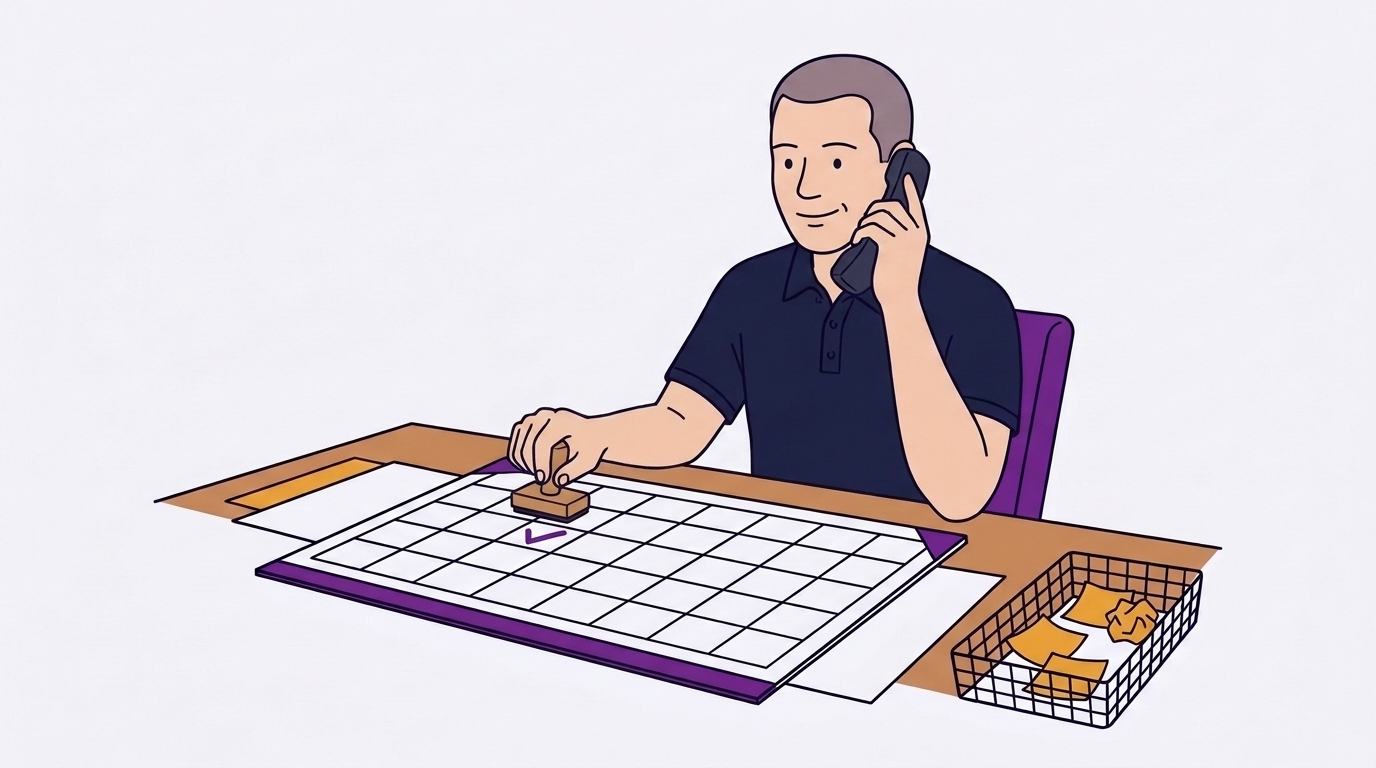

Stop letting unanswered phones hand your best boiler and air conditioning jobs straight to the competitor down the road.
HVAC missed calls quietly cost multi-van UK heating and cooling firms £120,000 or more every year because 85% of homeowners who hit voicemail hang up without leaving a message. Instead of waiting for a callback, they immediately dial the next company on Google, and 78% book with whoever answers first. Fixing this leak does not require hiring extra office staff—it starts with the Zero-Ring Rule, where every inbound call is answered live, 24 hours a day.
This is Day 11 of our 15-Day HVAC Systems Series. On Day 10, we mapped your daily capacity benchmark so your engineers stay busy without burning out. Now that your dispatch board is ready, we turn to the front door—where most firms lose their highest-margin work before a quote is ever written.
Why 85% of callers hang up on voicemail
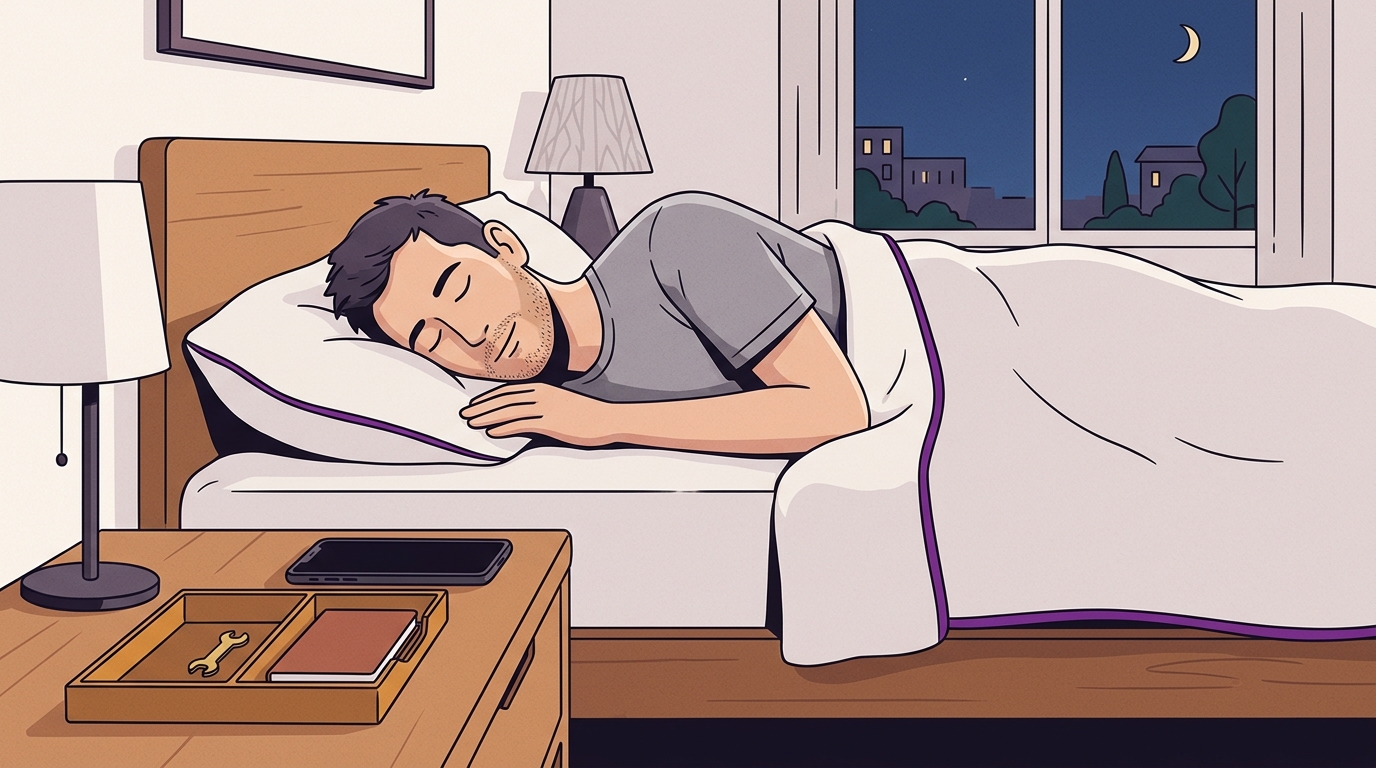
When a homeowner wakes up to a freezing house in January or a dead air conditioning unit in a July heatwave, they are not casually shopping around. They want warmth, cooling, and a confirmed arrival window right now.
Industry call benchmarks from Ring-Ready show that 80% to 85% of callers who reach a voicemail box hang up without leaving a message. Invoca's Home Services Lead Conversion Benchmarks reinforce this reality: 27% of inbound calls to home services businesses go unanswered by a live person, and fewer than 3% of callers bother leaving a voicemail.
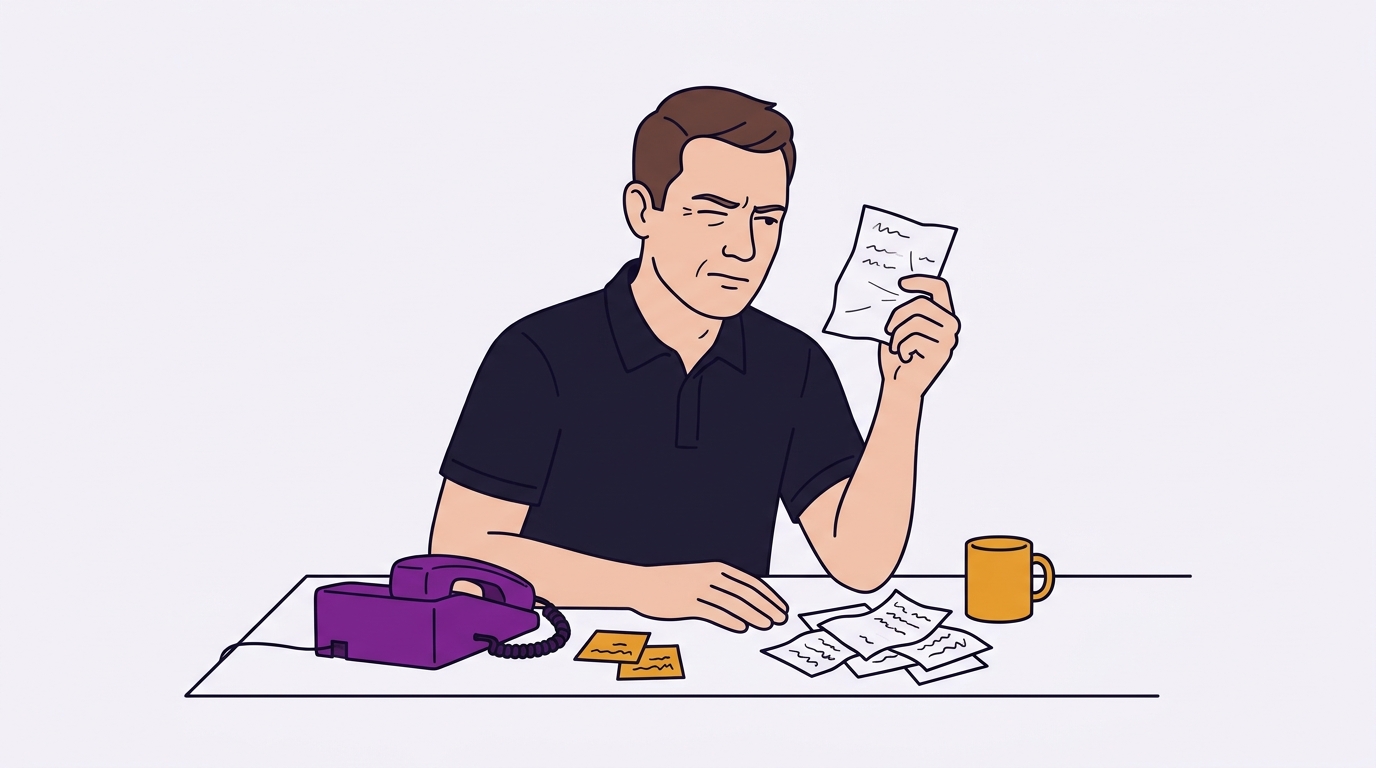
Even if a homeowner does leave a message, the clock is already against you. Research from InsideSales and MIT shows that 78% of customers buy from the first business that responds. Calling someone back two hours later usually means hearing, “Thanks, we already booked another engineer.”
The math behind the missed call revenue leak
Most owners underestimate this problem because they only picture a £100 to £250 diagnostic callout fee. In reality, each unanswered ring loses the repair, the replacement quote, and years of annual servicing.
Across the UK trades market, an emergency repair typically lands between £300 and £1,000, while a full boiler or heat pump replacement runs £5,000 to £10,000+. Impact Research Group found that small service firms lose $62,000 to $126,000 (£50,000 to £100,000+) a year to unanswered phones, and active multi-van HVAC shops missing three to five calls a day put £120,000 to £250,000+ in annual revenue at risk.
Annual Missed-Call Revenue Leak Formula
Lossannual = Callsmissed/week × 52 × Rateclose × Ticketavg
Conservative UK example: 8 missed calls/week × 52 weeks × 35% close rate × £850 blended ticket = £123,760 lost per year.
Look at how quickly different call types add up during a busy month:
| Call Type | Typical UK Job Value | Missed Calls / Month | Monthly Revenue at Risk (at 35% Close) |
|---|---|---|---|
| Emergency Breakdown | £300 to £1,000+ | 12 calls | £1,260 to £4,200+ |
| Routine Service / Repair | £150 to £350 | 14 calls | £735 to £1,715 |
| System Replacement Quote | £5,000 to £10,000+ | 3 calls | £5,250 to £10,500+ |
Missing just three replacement enquiries a month quietly drains over £60,000 a year from your top line. If you pay £30 to £80+ per click on Google Local Services Ads to make that phone ring, every unanswered call doubles your effective cost per lead.
Where your phones actually leak calls
Most UK HVAC owners tell themselves, “We have someone in the office, we don't miss calls.” Yet Hatch and Invoca benchmarks show live-answer rates in HVAC hover around 43% to 57%, meaning nearly half of inbound calls fail to reach a person on the first try.
The leak rarely comes from laziness; it happens in four predictable blind spots:
- The 12:30 PM lunch gap: Office staff step away for 45 minutes while homeowners use their own lunch break to call about heating and cooling issues.
- Line-two overflow during weather snaps: When a cold front hits, two or three customers call at the same minute. While your dispatcher helps Line 1, Line 2 rings out.
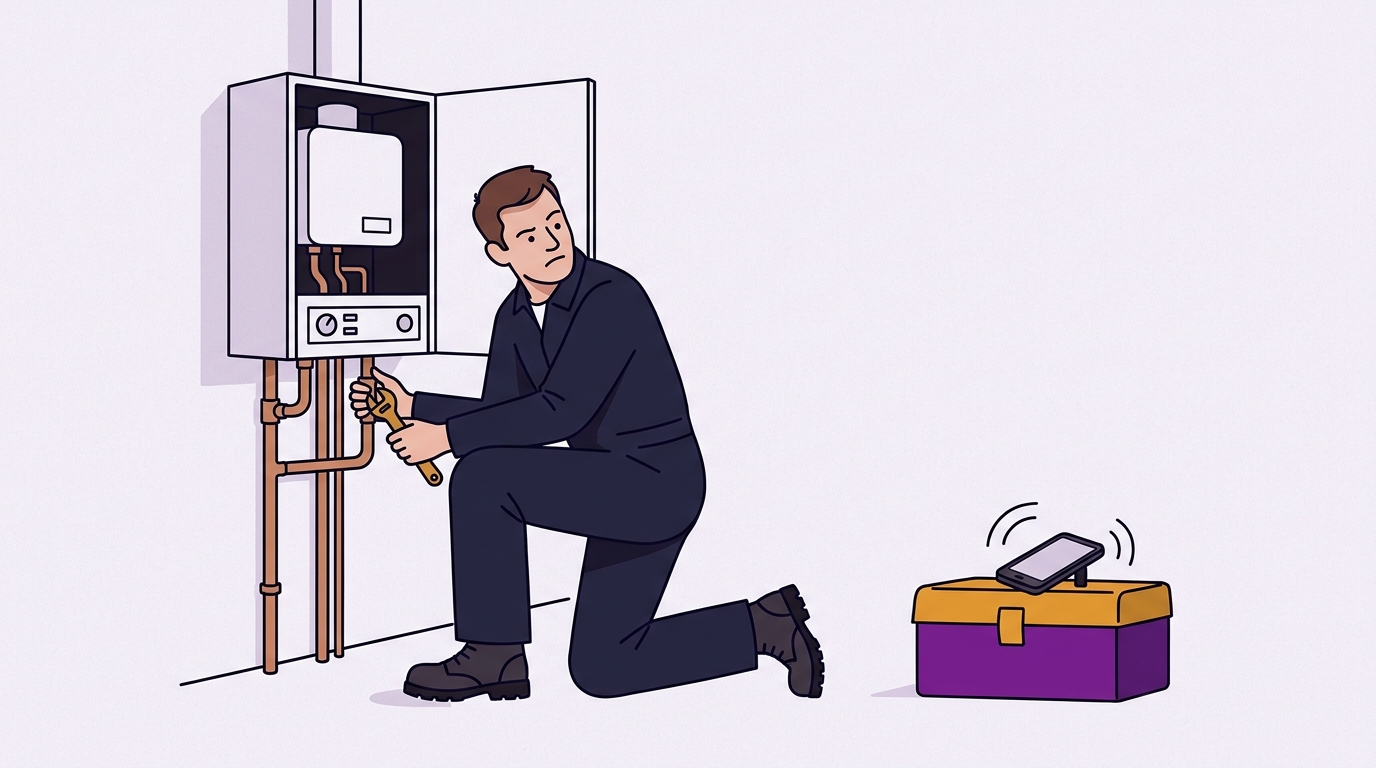
- On-the-tools owners and small teams: Answering phones from a loft, plant room, or van cab means bad signal, background noise, and missed rings while driving.
- The after-hours black hole: Up to 40% of urgent home-service calls arrive after 5:00 PM or on weekends, when a broken boiler cannot wait until Monday morning.
The Zero-Ring Rule: How to catch every call
The simplest way to stop losing callers at the front door is to enforce one clear standard: no inbound customer call ever reaches voicemail, 24 hours a day, 365 days a year.
Instead of letting a caller hear four rings and a beep, first-ring pickup greets them immediately with a calm, knowledgeable voice that knows your postcodes, callout rates, and live diary slots. While automated SMS text-backs help catch a few stragglers, answering live on the first ring keeps the homeowner from ever opening Google to dial your competitor.

When you pair immediate answering with clear AI voice agents built for field service, your front desk handles 9:00 AM overflow and 10:00 PM emergencies without waking you up. Every qualified enquiry lands straight in your diary, protecting the daily job limits you set on Day 10. For the full picture, explore our HVAC automation solutions.
FAQ
How much do unanswered calls cost a UK HVAC business each year?
A multi-van UK HVAC business missing 8 to 15 calls a week typically loses £100,000 to £120,000+ in annual revenue. Even at a modest 35% close rate and an £850 blended ticket across repairs and replacements, eight lost calls a week equals £123,760 in lost work every year.
Why do homeowners refuse to leave a voicemail?
Homeowners calling about a broken boiler or failed air conditioning unit face immediate discomfort and urgency. Call benchmarks from Ring-Ready show 80% to 85% hang up on voicemail without leaving a message because they expect an instant answer and will dial the next contractor on Google instead.
How does immediate call answering work?
The Zero-Ring Rule means every inbound call is answered live on the first ring, 24/7, with zero calls sent to voicemail. Peak-hour overflow, lunch breaks, and evening emergencies are captured and booked before the caller tries a competitor.
Does missed-call text-back replace answering the phone?
No. Automated text-back is a useful safety net, but it still forces the caller to pause and wait for a text exchange. Because 78% of homeowners buy from the first business that responds, live voice pickup converts far more urgent enquiries than a delayed SMS.
If you are ready to plug your front-door leak, book a Front-Door Call Audit with Axontick to review your current call-answer rate and set up 24/7 live coverage.
Next: Day 12 of our 15-Day HVAC Systems Series
Why Generic Answering Services Fail HVAC Companies — Many owners try to plug unanswered phones with a traditional call centre, only to get misspelled postcodes and zero calendar bookings. See how generic call centres compare against dedicated HVAC front-desk systems.
Want this deployed for your enterprise?
Axontick engineers architect, benchmark, and deploy custom enterprise autonomous systems with guaranteed uptime, sub-second latency, and 100% IP ownership.

Muhammad Asim
Founder @ AxontickFounder of Axontick, specialized in AI automation, Multi-Agent Systems, and enterprise-grade voice agents. Expert in bridging the gap between complex AI technology and practical business solutions.