
Protect your team's sleep and capture high-value breakdowns with a clear out-of-hours call filter.
HVAC emergency triage separates true safety hazards and total heating failures from routine filter or office-hours questions before your night phone ever rings. By running every out-of-hours call through a 3-question filter—checking for safety risks, total system loss with vulnerable occupants, and acceptance of emergency call-out rates—you dispatch vans only when an emergency genuinely needs attention. Routine requests book straight into tomorrow's morning calendar, protecting staff from burnout while locking in £2,000 to £8,000+ boiler and heat pump replacements.
This is Day 13 of our 15-Day HVAC Systems Series. On Day 12, we compared generic answering services with dedicated front-desk systems. Answering on the first ring is step one—but without smart call filtering, answering 24/7 just wakes your team up faster.
Why out-of-hours calls burn out your best engineers
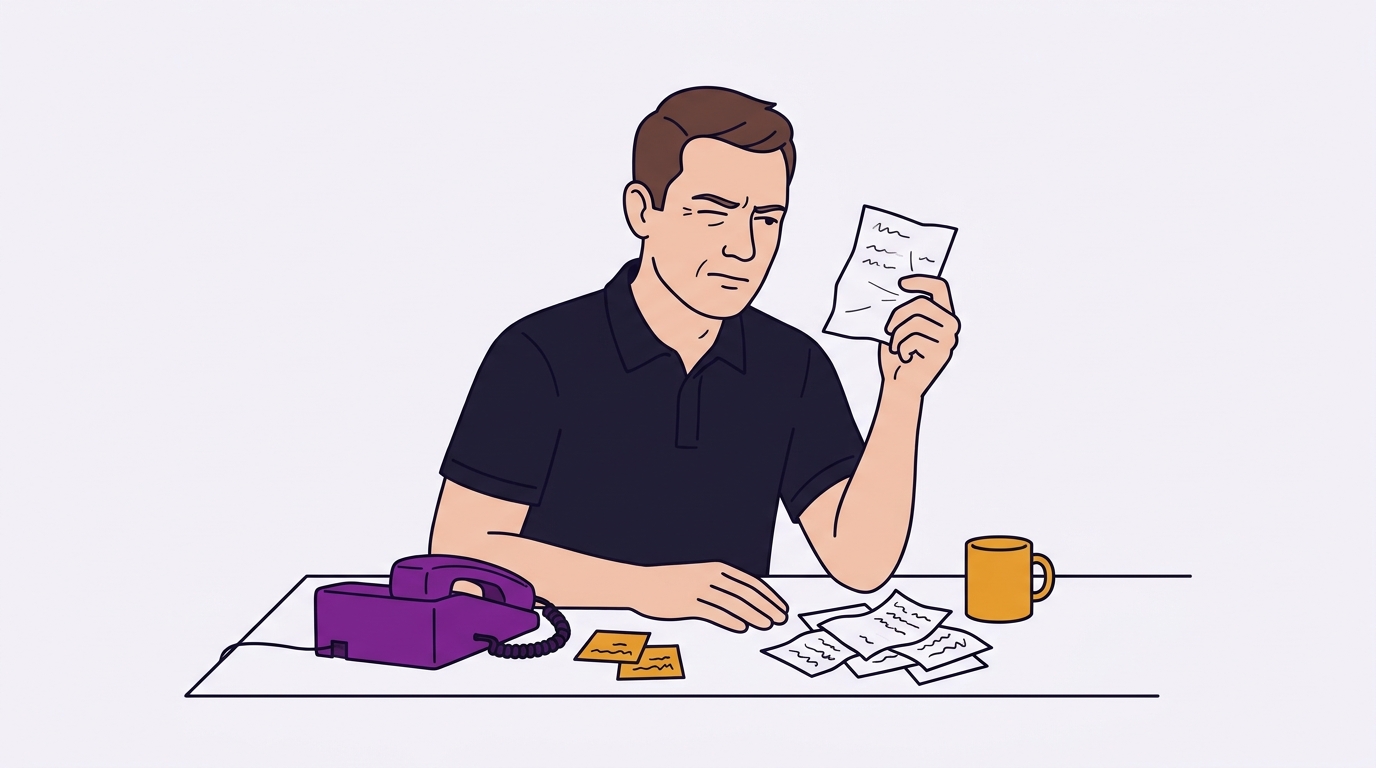
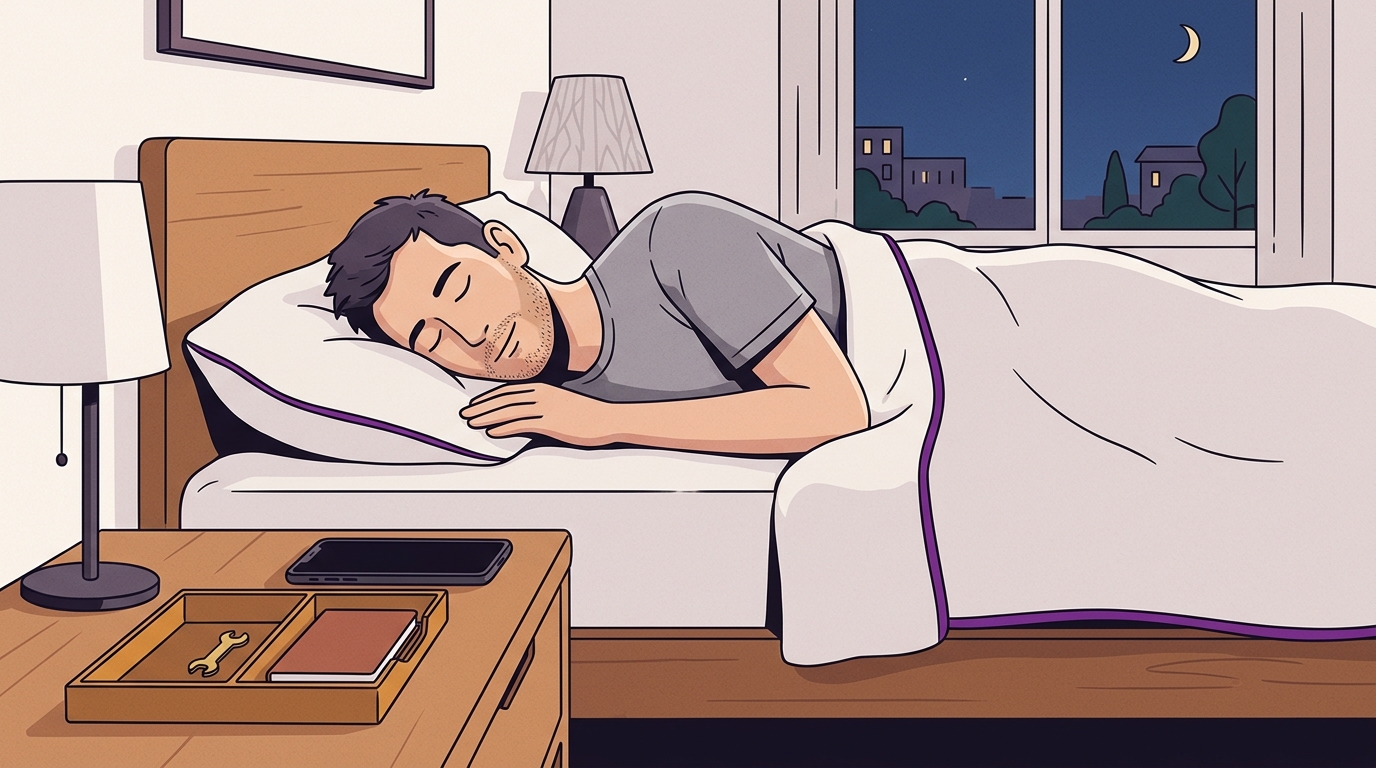
Picture Saturday at 10:15 PM. Your senior heating technician is asleep after a 50-hour week, the night phone rings, and they wake up only to hear a homeowner ask Monday's opening hours—or whether you stock £40 filters.
ServiceTitan's home services benchmarks show roughly 14% of service calls arrive off-hours. In the UK, autumn cold snaps compress demand into sharp spikes: British Gas forecasts have warned of over 34,000 UK homes suffering boiler breakdowns over a single autumn weekend when heating is switched back on.
Across Britain's 20.8 million boiler-heated homes, 5% to 6% of systems need a reactive repair or replacement yearly. Treating every night ring as an emergency causes two costly problems:
- Good staff quit: Repeated midnight wake-ups for routine questions drain morale and leave tired technicians driving the next morning.
- Real emergencies wait: While your technician explains Monday's hours, a freezing household with a dead boiler hangs up and calls a competitor.
The 3-question urgency filter
Every out-of-hours call only needs to pass through three quick questions before anyone wakes up:
- Is there an immediate safety risk or active water leak? If a caller smells gas or hears a carbon monoxide alarm, do not dispatch first. Tell them immediately to turn off the gas emergency control valve, open windows, evacuate, and call the free 24/7 National Gas Emergency Service on
0800 111 999. For water pouring near electrics, guide them to shut off the stopcock and affected fuse-box circuit, then flag an emergency. - Is the system completely down, and who is inside? Ask whether there is any heating, hot water, or cooling at all—and whether freezing weather, babies, elderly residents, or critical commercial spaces like server rooms are affected. A rattling fan in a warm home can wait; a total boiler lockout in January with an elderly resident cannot.
- Do they accept the out-of-hours call-out rate? UK emergency call-out fees typically run £85 to £150+ for diagnosis, carrying a 25% to 50% evening or weekend premium, with £60 to £90 hourly labour and average emergency repairs between £270 and £450+. Stating your fee upfront filters out callers who only want a cheap filter swap.

True emergency vs. morning booking
Clear rules remove guesswork for whoever—or whatever system—picks up the phone at night. Most UK heating and cooling firms split out-of-hours calls into three tiers:
| Priority Tier | Real-World Examples | Triage Action | Revenue & Risk Impact |
|---|---|---|---|
| P1: Safety / Immediate Emergency | Gas smell (0800 111 999), CO alarm, leak near electrics, no heat in freezing weather with vulnerable residents, server room failure | Immediate alert to night technician; 1–4 hr SLA | Protects safety; captures £270–£450+ repairs and £2,000–£5,000 boiler or £4,500–£6,000+ net heat pump swaps |
| P2: Urgent Next-Morning | Breakdown with electric heaters on site, partial zone loss, noisy pump still running | First 8:00 AM slot in the right postcode zone | Captures high-value work without overtime rates |
| P3: Routine / Filter Query | Filter swap, annual service, thermostat setup, opening hours | Self-booked into daytime calendar; no night alert | Saves sleep and protects daily capacity limits |
When we review call logs for UK contractors, almost half of late-night calls fall into P2 or P3. Separating them on the first call keeps your vans focused on urgent breakdowns and high-ticket replacements—where a UK combi swap runs £2,000 to £3,500, system boilers hit £2,400 to £5,000, and air source heat pumps average £11,000 to £14,000 gross (£4,500 to £6,000 net after the £7,500 Boiler Upgrade Scheme grant).
Protecting your on-call engineer from burnout
Once a call passes the three questions, after-hours dispatch splits into two clean paths so your on-call engineer never wastes a night on routine admin.
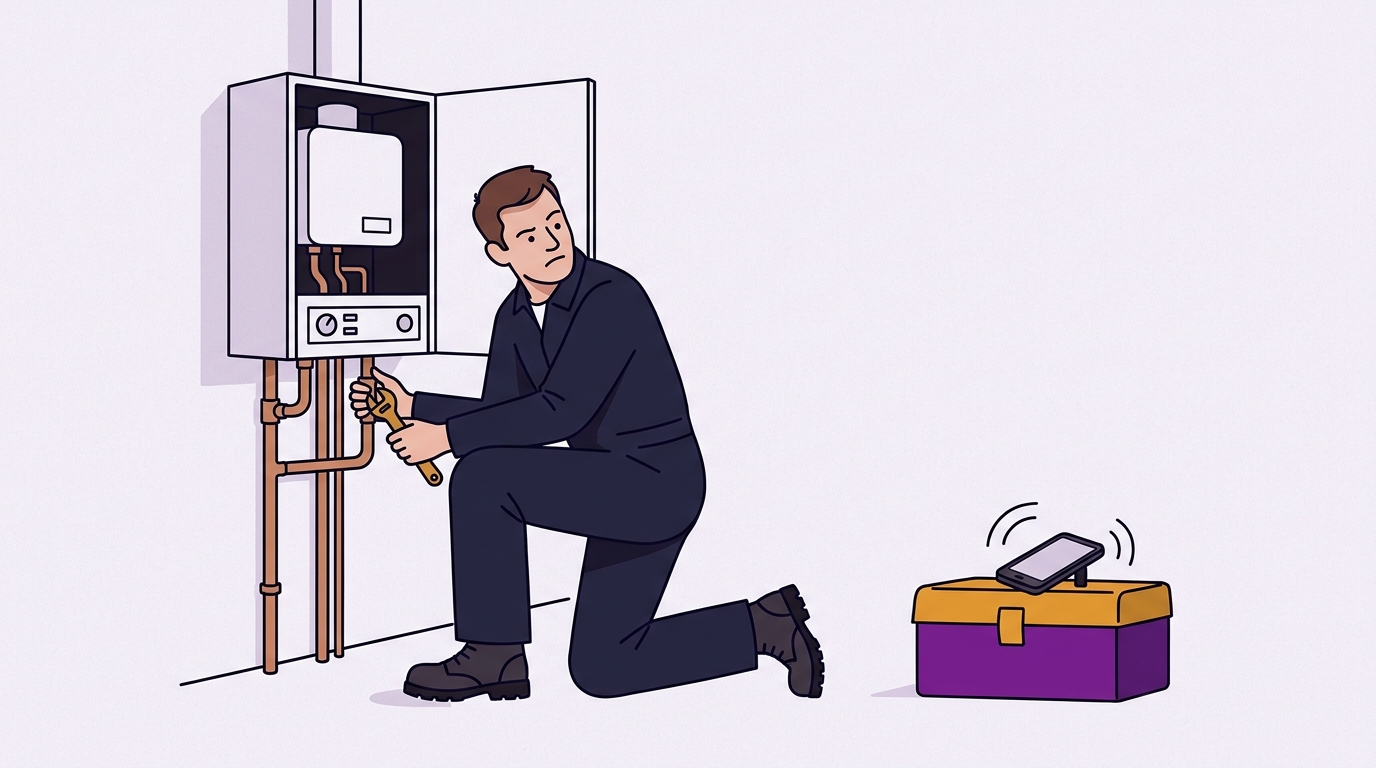
For verified P1 emergencies, the system captures the caller's name, UK postcode, boiler or unit make, and any visible fault code first—so the technician knows whether they need Gas Safe, OFTEC, or F-Gas credentials and can check van stock before leaving the driveway. It then sends an instant alert to the primary technician on rotation, with an automatic 5-minute backup escalation to a second technician or supervisor if unacknowledged.
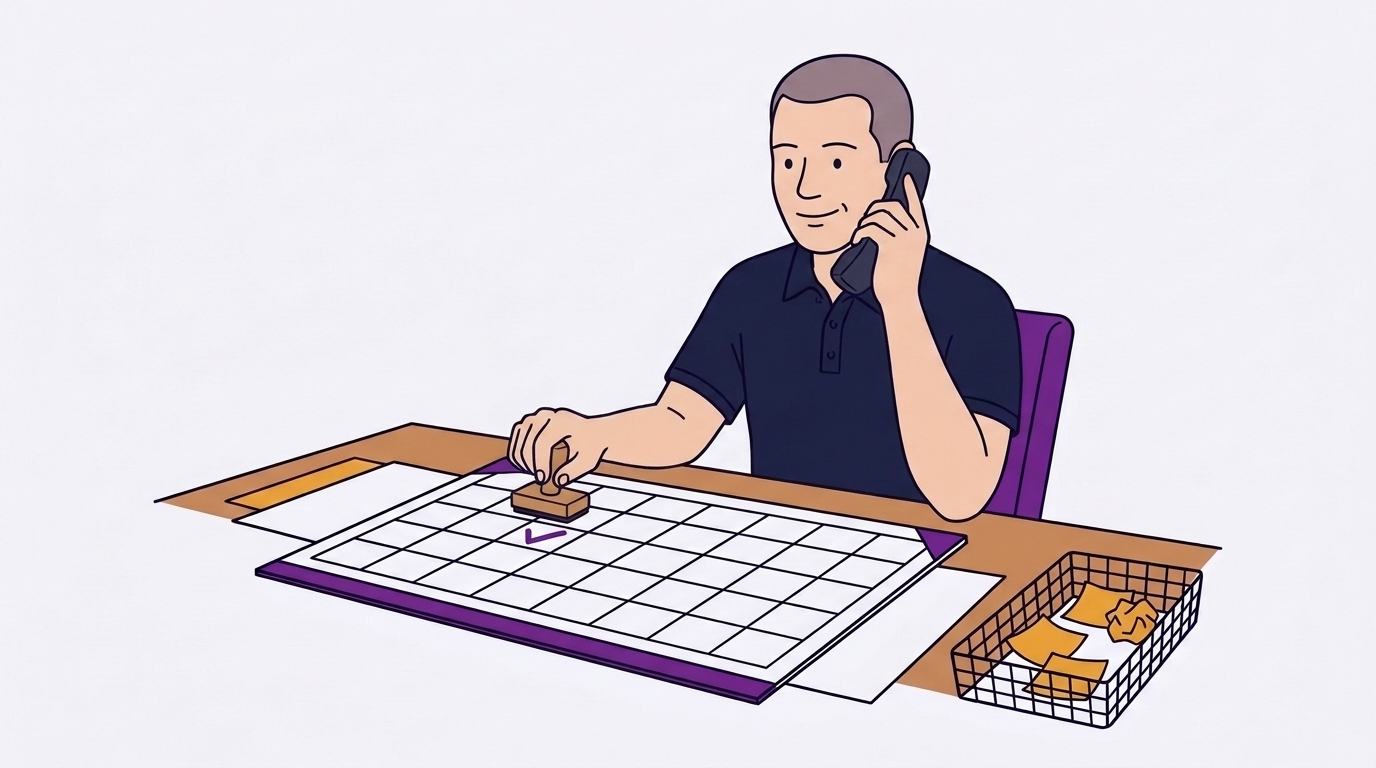
For P2 and P3 calls, nobody's phone rings at night. The front-desk system checks your clustered postcode zones, books the caller straight into an open morning arrival window, and sends an SMS confirmation. Your office team walks in at 8:00 AM to a tidy, pre-qualified morning board instead of twenty panicked voicemails.
Purpose-built AI voice agents run this exact triage script 24/7 with zero hold queues during winter freezes. See how out-of-hours routing connects to your wider operations on our HVAC automation solutions page.
FAQ
What happens if a caller smells gas or hears a CO alarm?
The caller must not wait for a heating technician. Instruct them immediately to open windows and doors, turn off the gas emergency control valve if safe, avoid electrical switches, evacuate the property, and call the free National Gas Emergency Service on 0800 111 999 before any dispatch happens.
What counts as a true out-of-hours HVAC emergency?
True emergencies involve immediate safety hazards, active water leaks near electrics, critical commercial cooling failures such as server rooms, or complete loss of heating in freezing weather—especially with elderly residents, babies, or medically vulnerable occupants. Partial faults or noisy units that still heat wait until morning.
Should we state out-of-hours call-out fees before dispatching?
Yes. Telling the caller your standard £85 to £150+ out-of-hours diagnostic fee upfront prevents billing arguments at the door and filters out non-urgent callers. Homeowners with a minor filter or thermostat question will almost always choose a standard daytime appointment once they hear the emergency rate.
How does automated triage protect our team at night?
Automated call triage asks the three safety, severity, and pricing questions before paging anyone. Routine queries book straight into tomorrow's morning calendar with zero night alerts, so your technician on rotation only wakes up for verified emergencies that justify overtime call-out rates.
Ready to stop midnight burnout without missing high-value breakdowns? Book a Front-Door Call Audit with Axontick to put a 24/7 HVAC emergency triage system in front of your night team.
Coming next: Day 14 of our 15-Day HVAC Systems Series
Direct-to-Calendar Booking (Zero Phone Tag) — Qualifying an emergency or morning job is half the battle; tomorrow we look at how live slot matching books appointments directly into your calendar on the very first call.
Want this deployed for your enterprise?
Axontick engineers architect, benchmark, and deploy custom enterprise autonomous systems with guaranteed uptime, sub-second latency, and 100% IP ownership.

Muhammad Asim
Founder @ AxontickFounder of Axontick, specialized in AI automation, Multi-Agent Systems, and enterprise-grade voice agents. Expert in bridging the gap between complex AI technology and practical business solutions.