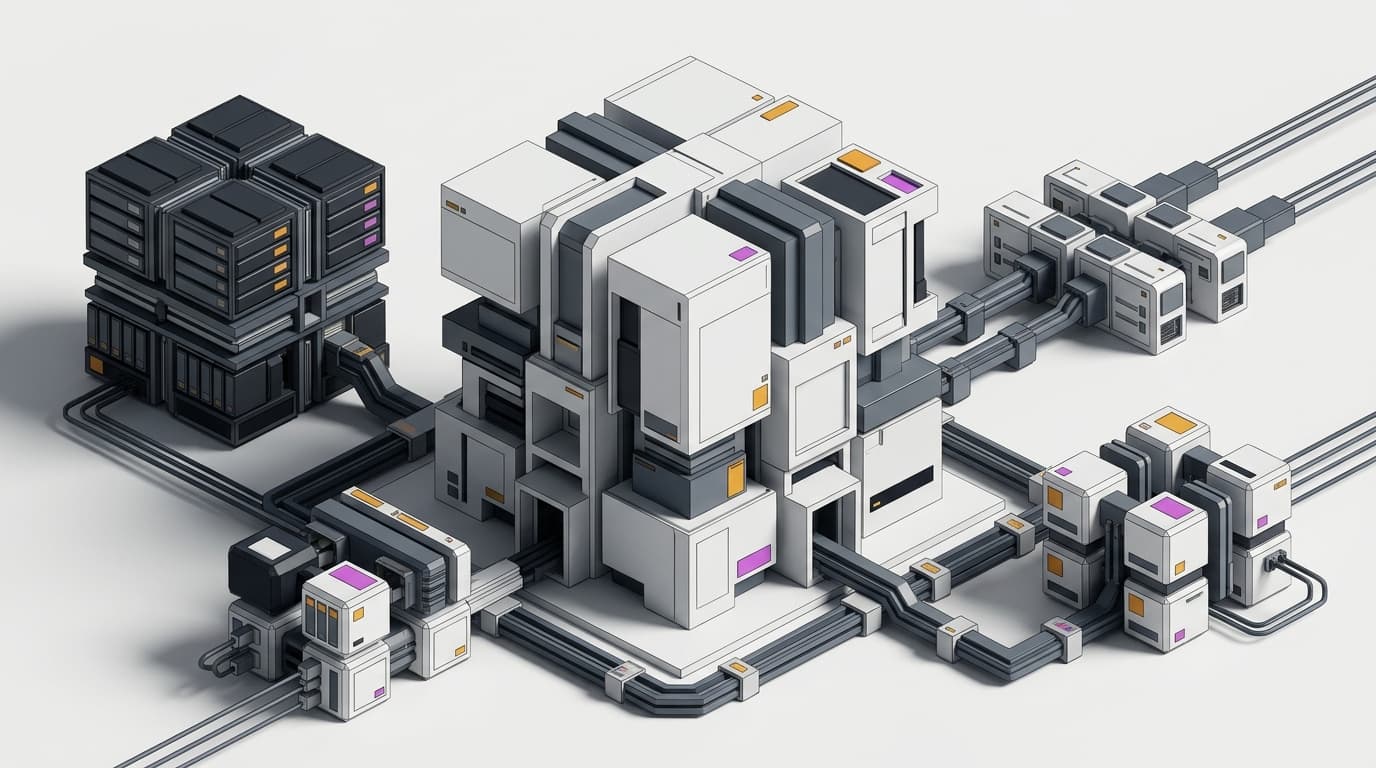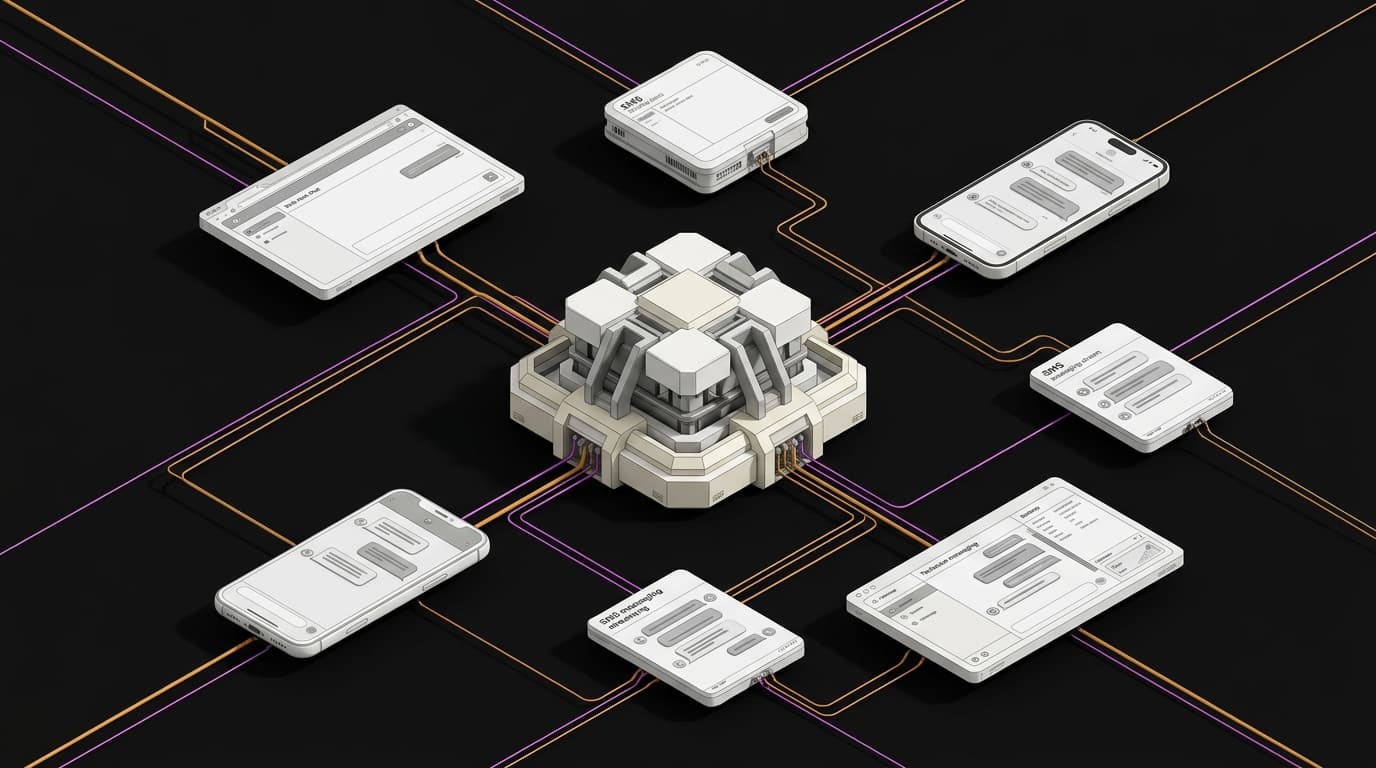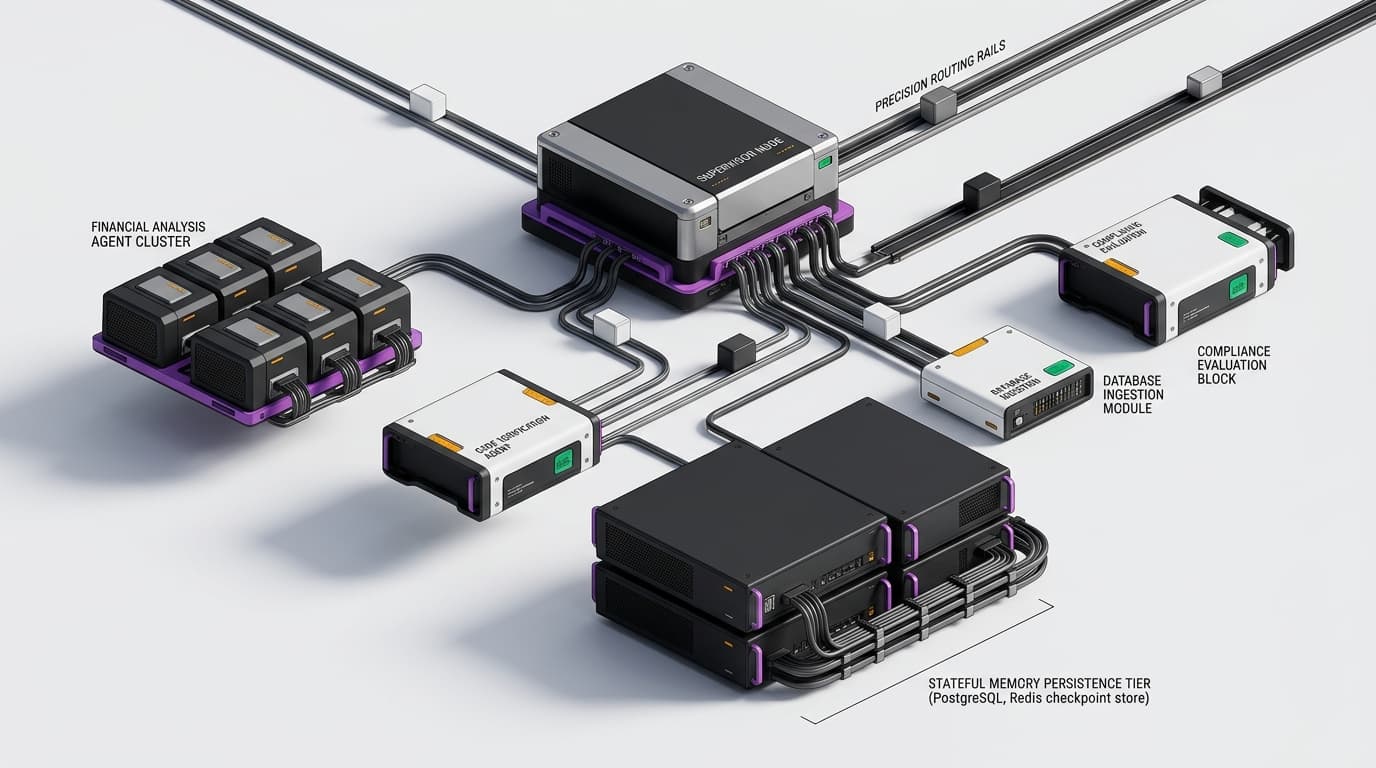
Choosing the optimal platform for n8n Make Zapier AI workflow automation depends on three architectural factors: data residency requirements, workflow execution volume, and the depth of agentic reasoning your business processes demand. While Zapier excels at rapid, linear SaaS connectivity across 8,000+ commercial apps, and Make provides superior visual branching for multi-step operations, n8n stands apart as the enterprise standard for high-volume, code-extensible, and self-hosted AI agent pipelines.
As enterprises evolve beyond basic prompt wrappers toward stateful autonomous systems, traditional Integration Platform as a Service (iPaaS) boundaries are shifting. Automated customer onboarding, real-time claims triage, and multi-model research swarms require more than basic "if-this-then-that" triggers. They demand persistent memory, dynamic tool calling, deterministic schema validation, and strict data governance.
Following our technical deep dives on What Are AI Agents?, our Multi-Agent Systems for Enterprise guide, and our analysis of Claude Plugins & Model Context Protocol, this guide provides an end-to-end architectural evaluation for enterprise engineering leaders. We analyze the core operational mechanics of Zapier, Make, and n8n, compare their true cost-to-scale, examine native LangChain orchestration, address mission-critical webhook resilience, and detail a production-ready hybrid enterprise architecture.
┌────────────────────────────────────────────────────────────────────────┐
│             ENTERPRISE IPAAS & AI ORCHESTRATION TOPOLOGY               │
├───────────────────┬───────────────────┬────────────────────────────────┤
│      ZAPIER       │       MAKE        │              N8N               │
├───────────────────┼───────────────────┼────────────────────────────────┤
│ • SaaS Edge King  │ • Visual Router   │ • AI-Native Execution Engine   │
│ • 8,000+ Cloud    │ • Dynamic Branch  │ • LangChain Agent Nodes        │
│   Connectors      │   Canvas          │ • Full Self-Hosting / VPC      │
│ • Per-Task Model  │ • Per-Operation   │ • Per-Execution (or Free Host) │
│ • Cloud-Only      │ • Cloud-Only      │ • Python / JS Extensibility    │
│ • Linear Triggers │ • Complex Filters │ • Zero Data Leakage (GDPR)     │
└───────────────────┴───────────────────┴────────────────────────────────┘
The Modern iPaaS Landscape: Enterprise iPaaS AI Comparison
To make an informed architectural decision, engineering teams must evaluate each platform across foundational infrastructure dimensions rather than marketing promises. The modern enterprise iPaaS AI comparison reveals three fundamentally divergent philosophies regarding data handling, model execution, and extensibility.
When evaluating modern integration frameworks, engineering architects must balance the trade-offs between rapid SaaS prototyping and sovereign execution. Zapier functions primarily as a managed connectivity layer. It abstracts away OAuth handshakes, API rate limits, and webhook listeners across thousands of commercial platforms. For non-technical departmental teams, Zapier delivers unmatched time-to-value for straightforward event routing. However, its closed runtime, linear design model, and rigid execution constraints make it challenging to orchestrate cyclical agent loops or handle raw vector embeddings.
Make (formerly Integromat) occupies the visual orchestration tier. Its circular canvas allows operations teams to visually map intricate data transformations, array manipulations, and conditional routing without writing boilerplate code. Make’s AI modules allow teams to plug in OpenAI or Anthropic endpoints easily, making it highly effective for content pipelines and marketing automations. Yet, because Make runs exclusively in a multi-tenant cloud environment, sensitive customer data necessarily transits third-party infrastructure.
In contrast, n8n was engineered from the ground up as a developer-first, fair-code workflow engine. By decoupling workflow logic from third-party cloud hosting, n8n allows organizations to run mission-critical automations directly inside private clouds, on-premise Kubernetes clusters, or isolated AWS/GCP virtual private clouds (VPCs). With native LangChain integration, specialized AI agent nodes, persistent conversation memory, and complete JavaScript/Python code execution, n8n serves as a full-fledged agentic middleware engine.
| Evaluation Dimension | Zapier (Enterprise) | Make (Enterprise) | n8n (Self-Hosted / Cloud) |
|---|---|---|---|
| Primary Architectural Role | SaaS Edge Trigger Gateway | Visual Business Logic Router | Sovereign AI Agent Runtime |
| Hosting & Deployment | Multi-tenant SaaS only | Multi-tenant SaaS only | Self-hosted (Docker/K8s) or Cloud |
| Data Residency & Compliance | Third-party vendor cloud | Third-party vendor cloud | 100% On-Premise / Private VPC |
| AI Architecture Primitives | Central / Chatbots / Basic AI Steps | Visual AI Modules & Routers | Native LangChain Nodes & Memory |
| Execution Pricing Metric | Per task (every single step) | Per operation (every module run) | Per workflow execution (or compute) |
| Custom Code Capabilities | Limited Python / JS (sandboxed) | Native functions & basic regex | Native Node.js & Python environments |
| Concurrency & Queuing | Fixed account tier throttles | Concurrency limits per tier | Redis Queue Mode (horizontal scale) |
| Best Enterprise Fit | Edge SaaS intake & notification | Cross-departmental visual logic | Complex AI agents & regulated data |
Understanding this enterprise iPaaS AI comparison clarifies that these tools are not merely competitors; they represent distinct layers of technical sophistication and operational control.
The Economic Breakdown: Make vs Zapier Enterprise Pricing vs n8n
The most frequent pitfall engineering and operations leaders encounter when deploying production AI pipelines is pricing model misalignment. An evaluation of Make vs Zapier enterprise pricing versus self-hosted n8n demonstrates how multi-step reasoning cycles cause operational costs to explode.
Traditional automations are linear: a trigger fires, data transforms across two steps, and an update writes to a database. That three-step process consumes three billing units. However, autonomous AI agents operate in iterative reasoning loops: an incoming prompt queries a vector store, analyzes documents, calls multiple validation tools, evaluates intermediate answers, and writes to an audit log. A single agent interaction frequently spans 10 to 20 discrete operational steps.
Consider an enterprise processing 10,000 automated customer support inquiries per month using a 12-step AI agent triage pipeline (webhook intake, customer CRM lookup, vector knowledge base query, LLM reasoning step, order database lookup, policy verification, human escalation evaluation, CRM record update, ticket tagging, Slack alert, customer email dispatch, and database logging).
┌────────────────────────────────────────────────────────────────────────┐
│            10,000 MONTHLY EXECUTIONS (12-STEP AI PIPELINE)             │
├─────────────────────┬───────────────────┬──────────────────────────────┤
│      PLATFORM       │   BILLING UNITS   │    ESTIMATED MONTHLY COST    │
├─────────────────────┼───────────────────┼──────────────────────────────┤
│ Zapier (Company)    │ 120,000 Tasks     │ £950 – £1,450 / month        │
│ Make (Enterprise)   │ 120,000 Ops       │ £180 – £320 / month          │
│ n8n Cloud (Pro)     │ 10,000 Executions │ £50 – £120 / month           │
│ n8n (Self-Hosted)   │ Fixed Compute     │ £45 – £85 / month (AWS EC2)  │
└─────────────────────┴───────────────────┴──────────────────────────────┘
Because Zapier bills on a per-task basis, every single internal step and tool call consumes a paid credit. At 10,000 monthly interactions, that 12-step pipeline generates 120,000 tasks, driving costs into the thousands of pounds annually for a single workflow.
Make improves upon this economics significantly through tiered operational pricing, offering a more forgiving credit structure. Yet, as execution volumes climb into hundreds of thousands of operations, costs continue to scale linearly with workflow complexity.
By contrast, n8n bills exclusively per workflow execution on its cloud plans—meaning an execution with 20 agentic tool steps consumes the exact same single execution credit as a simple 1-step webhook. When deployed as a self-hosted instance on AWS EC2 or Google Cloud Run, software license costs are completely decoupled from execution volume, bounding your total operational expenditure strictly to baseline cloud server compute.
Analyzing Make vs Zapier enterprise pricing illustrates that for high-frequency, multi-step AI agents, per-task billing models quickly become financially prohibitive, making execution-based or infrastructure-based billing the sustainable economic choice.
Deep Dive: n8n AI Agent Workflows and LangChain n8n Orchestration
While Zapier and Make have incorporated AI prompt steps into their interfaces, n8n implemented an entirely different paradigm by embedding the LangChain framework directly into its workflow canvas. This structural choice makes n8n AI agent workflows uniquely capable of executing autonomous decision loops.
In n8n, an AI Agent is not a static text-completion prompt. Organizations modernizing their enterprise stack find that embedding native agent reasoning transforms static pipelines into dynamic, stateful engines. It is a stateful orchestrator node surrounded by specialized modular sub-nodes that define its operational capabilities:
┌────────────────────────────────────────────────────────────────────────┐
│                   N8N AI AGENT NODE ARCHITECTURE                       │
└───────────────────────────────────┬────────────────────────────────────┘
                                    │
                                    ▼
┌────────────────────────────────────────────────────────────────────────┐
│ AI AGENT ROOT NODE (Tools Agent / Conversational Agent / Plan & Solve) │
├────────────────────────────────────────────────────────────────────────┤
│ • Model Connector: Claude 3.5 Sonnet / GPT-4o / Local Ollama (vLLM)    │
│ • Memory Buffer: Window Buffer / Redis Chat History / Postgres Memory  │
│ • Tool Attachments: HTTP Request / Custom Python / Calculator / DB API │
│ • Vector Store: Pinecone / Qdrant / pgvector Retriever                 │
│ • Output Parser: Structured JSON Schema (Zod / Pydantic Enforcer)      │
└───────────────────────────────────┬────────────────────────────────────┘
                                    │ Dynamic Multi-Step Execution
                                    ▼
┌────────────────────────────────────────────────────────────────────────┐
│ DETERMINISTIC WORKFLOW OUTPUT (CRM Mutation / Webhook / Slack Alert)   │
└────────────────────────────────────────────────────────────────────────┘
The core advantage of LangChain n8n orchestration lies in dynamic tool execution. When an inquiry arrives, the AI Agent node evaluates the user's intent against the descriptions of attached tools. If the model determines it needs customer billing telemetry, it autonomously pauses reasoning, invokes the connected PostgreSQL node with structured SQL parameters, ingests the resulting JSON payload back into its context window, and continues reasoning.
Furthermore, LangChain n8n orchestration solves the critical problem of conversational memory. Standard cloud iPaaS tools execute statelessly; every trigger operates in total isolation unless developers manually construct cumbersome database lookups. n8n allows engineers to plug a Redis or PostgreSQL Memory node directly into the agent. This gives the agent multi-turn awareness across email threads or chat sessions, maintaining context without bloating prompt token payloads.
Teams deploying n8n AI agent workflows achieve the flexibility of custom Python LangChain code combined with the visual observability, audit logging, and manual debugging capabilities of a visual orchestration platform.
Data Governance & Privacy: Self-Hosted Workflow Automation
For enterprises operating within healthcare, financial services, legal, or defense sectors, data privacy is non-negotiable. Connecting unvetted cloud automation platforms to production databases introduces unacceptable compliance liabilities under GDPR, HIPAA, and SOC 2 Type II frameworks.
This governance mandate makes self-hosted workflow automation an essential architectural requirement. When an enterprise connects Zapier or Make to internal databases, proprietary customer records, PII, and financial transactions are transmitted across public internet gateways and stored on multi-tenant SaaS servers. Even with enterprise Data Processing Agreements (DPAs), security teams face strict vendor risk management hurdles.
┌────────────────────────────────────────────────────────────────────────┐
│             SOVEREIGN ENTERPRISE DATA BOUNDARY (SELF-HOSTED)           │
├────────────────────────────────────────────────────────────────────────┤
│  PRIVATE VIRTUAL PRIVATE CLOUD (AWS / GCP / ON-PREMISE)                │
│                                                                        │
│  ┌──────────────────────┐         ┌─────────────────────────┐          │
│  │ Enterprise Databases │ <-----> │ n8n Worker Container    │          │
│  │ (PostgreSQL, ERP)    │ (mTLS)  │ (Docker / K8s Cluster)  │          │
│  └──────────────────────┘         └───────────┬─────────────┘          │
│                                               │ Encrypted API / VPC    │
│                                               ▼ Peering                │
│                                   ┌─────────────────────────┐          │
│                                   │ Private AI Inference    │          │
│                                   │ (AWS Bedrock / Ollama)  │          │
│                                   └─────────────────────────┘          │
│                                                                        │
│  ZERO INGRESS EXPOSURE • NO THIRD-PARTY LOGGING • COMPLETE DATA PURITY │
└────────────────────────────────────────────────────────────────────────┘
Deploying self-hosted workflow automation using n8n resolves this governance challenge entirely:
- Air-Gapped and VPC Isolation: n8n can be deployed as containerized microservices within private subnets, completely isolated from public ingress. It communicates with internal databases and ERPs over encrypted mutual TLS (mTLS) without crossing public networks.
- Zero Third-Party Model Exposure: When paired with private enterprise inference gateways (such as AWS Bedrock, Azure OpenAI Service with zero-data-retention, or locally hosted open-weights models like Llama 3 on vLLM), zero proprietary data leaves corporate infrastructure boundaries.
- Immutable Audit Trails: Corporate compliance officers can route all execution histories, agent decisions, and tool parameters directly into internal SIEM systems (Splunk, Datadog) rather than relying on vendor cloud logs.
Adopting sovereign self-hosted infrastructure guarantees that your enterprise retains sovereign ownership of its business logic, operational credentials, and intellectual property.
Production Resilience: Automated Webhook Error Handling and Dead-Letter Queues
In prototype environments, automations appear flawless because test inputs are sanitized and APIs respond instantly. In production environments, systems experience network jitter, LLM rate-limit spikes (HTTP 429), malformed payloads, and expired authentication tokens. Without robust resilience patterns, automated workflows fail silently or re-execute uncontrollably.
Implementing automated webhook error handling requires three defensive engineering layers: cryptographic signature verification, idempotency locks, and dead-letter queues (DLQs).
The primary failure mode in automated pipelines is duplicate execution caused by webhook retry loops. When a downstream AI agent takes 15 seconds to synthesize an answer, the upstream triggering service (such as Stripe or Shopify) may assume a timeout and re-transmit the webhook. Without idempotency validation, the workflow runs twice, charging the customer twice or dispatching duplicate communications.
The following tested TypeScript implementation demonstrates a production-grade webhook dispatcher. It validates HMAC SHA-256 signatures, checks idempotency keys against Redis, and executes exponential backoff retries before routing terminal failures to a Dead Letter Queue:
/**
 * Production-Ready Webhook Ingestion & Error Handler.
 * Enforces cryptographic HMAC validation, idempotency caching,
 * and resilient exponential backoff with Dead-Letter Queue routing.
 */
import * as crypto from 'crypto';

interface WebhookPayload {
  eventId: string;
  timestamp: number;
  action: string;
  data: Record<string, unknown>;
}

interface DispatchResult {
  success: boolean;
  attempts: number;
  deadLetterQueued?: boolean;
  error?: string;
}

// ==============================================================================
// 1. PRODUCTION-READY: HMAC SHA-256 Webhook Signature Verification
// ==============================================================================
export function verifyWebhookSignature(
  rawBody: string,
  signatureHeader: string,
  secretKey: string
): boolean {
  if (!rawBody || !signatureHeader || !secretKey) {
    return false;
  }

  const expectedSignature = crypto
    .createHmac('sha256', secretKey)
    .update(rawBody, 'utf8')
    .digest('hex');

  // Constant-time comparison to prevent timing attacks
  const signatureBuffer = Buffer.from(signatureHeader, 'hex');
  const expectedBuffer = Buffer.from(expectedSignature, 'hex');

  if (signatureBuffer.length !== expectedBuffer.length) {
    return false;
  }

  return crypto.timingSafeEqual(signatureBuffer, expectedBuffer);
}

// ==============================================================================
// 2. PRODUCTION-READY: Resilient Dispatcher with Exponential Backoff & DLQ
// ==============================================================================
export class ResilientPipelineDispatcher {
  private processedEvents = new Set<string>(); // Mock Redis idempotency store
  private deadLetterQueue: Array<{ payload: WebhookPayload; reason: string }> = [];

  constructor(
    private readonly maxRetries: number = 3,
    private readonly baseDelayMs: number = 1000
  ) {}

  public async processEvent(
    payload: WebhookPayload,
    handler: (data: WebhookPayload) => Promise<void>
  ): Promise<DispatchResult> {
    // Step A: Idempotency Enforcement
    if (this.processedEvents.has(payload.eventId)) {
      return { success: true, attempts: 0, error: 'Duplicate event ignored' };
    }

    let attempt = 0;
    while (attempt < this.maxRetries) {
      attempt++;
      try {
        // Execute core workflow handler
        await handler(payload);

        // Record successful execution key (TTL in production)
        this.processedEvents.add(payload.eventId);
        return { success: true, attempts: attempt };
      } catch (err: unknown) {
        const errorMessage = err instanceof Error ? err.message : 'Unknown execution error';

        if (attempt >= this.maxRetries) {
          // Terminal failure: Route to Dead Letter Queue (DLQ)
          this.deadLetterQueue.push({ payload, reason: errorMessage });
          return {
            success: false,
            attempts: attempt,
            deadLetterQueued: true,
            error: `Routed to DLQ: ${errorMessage}`
          };
        }

        // Exponential backoff with jitter: delay = base * 2^(attempt - 1)
        const delay = this.baseDelayMs * Math.pow(2, attempt - 1) + Math.random() * 200;
        await new Promise((resolve) => setTimeout(resolve, delay));
      }
    }

    return { success: false, attempts: attempt, error: 'Max retries exhausted' };
  }

  public getDeadLetterQueueLength(): number {
    return this.deadLetterQueue.length;
  }
}
Configuring automated webhook error handling with dedicated DLQs guarantees that transient API failures resolve automatically, while catastrophic validation errors are captured for manual engineer inspection without data loss.
The Enterprise Standard: Hybrid AI Integration Architecture
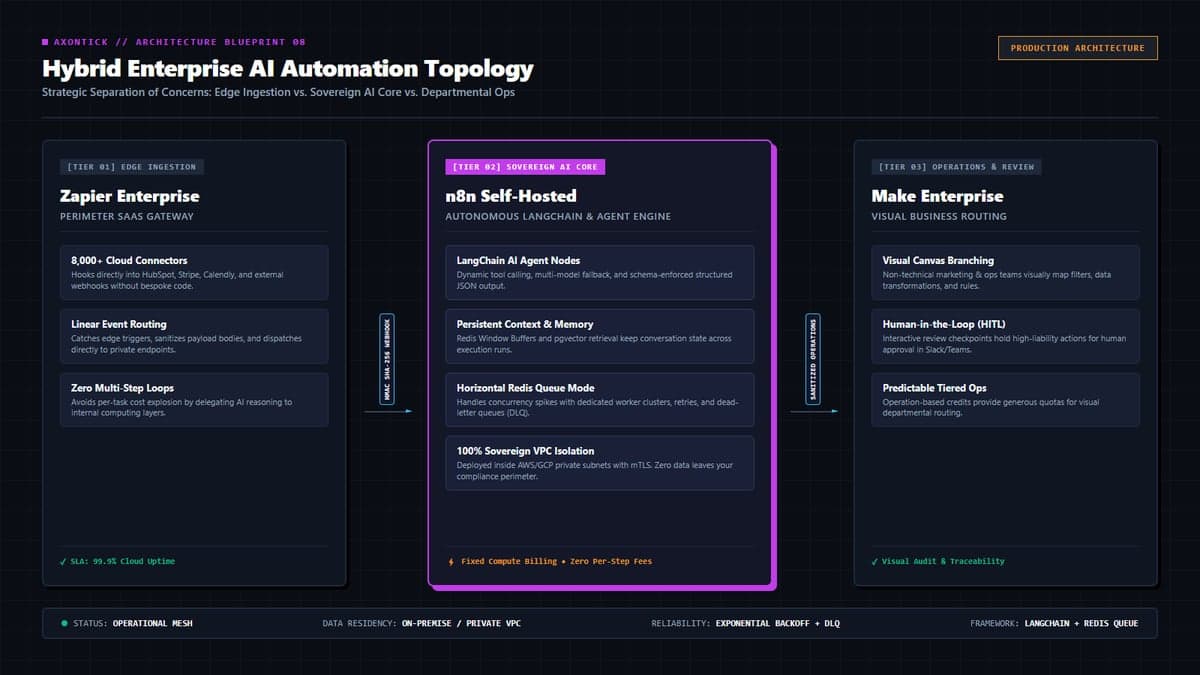
Rather than forcing an unnatural choice between platforms, mature organizations adopt a hybrid AI integration architecture. By assigning each tool to the operational layer where its strengths lie, enterprise architects create a resilient, cost-effective automation mesh.
A multi-tiered approach provides the ultimate operational flexibility for scaling businesses. In this 3-tier architecture:
- Tier 1 (Edge SaaS Connectivity - Zapier): Zapier operates at the corporate perimeter. When a marketing representative creates a lead in HubSpot, a calendaring link generates in Calendly, or an unstandardized SaaS platform fires an event, Zapier catches the trigger. Instead of executing complex multi-step reasoning, Zapier immediately forwards the payload to an internal webhook endpoint.
- Tier 2 (Sovereign AI Core & Agentic Execution - n8n): Running securely inside your private cloud, n8n ingests the sanitized edge payload. It executes high-volume data transformations, coordinates LangChain AI agent nodes, queries private vector databases, performs multi-turn customer analysis, and records audit logs.
- Tier 3 (Departmental Visual Routing - Make): For business operations, marketing automation, and internal approval flows, Make acts as the visual collaboration layer, allowing non-engineering teams to orchestrate multi-departmental routing with total visual transparency.
┌────────────────────────────────────────────────────────────────────────┐
│              THE 3-TIER HYBRID ENTERPRISE INTEGRATION MESH             │
└───────────────────────────────────┬────────────────────────────────────┘
                                    │
                                    ▼
┌────────────────────────────────────────────────────────────────────────┐
│ TIER 1: PERIMETER EDGE CONNECTIVITY (Zapier)                           │
│ • Captures events across 8,000+ commercial SaaS platforms              │
│ • Validates basic schemas and immediately forwards to internal webhooks│
│ • Zero multi-step reasoning executed at this tier (Minimizes Tasks)    │
└───────────────────────────────────┬────────────────────────────────────┘
                                    │ Encrypted Webhook + HMAC
                                    ▼
┌────────────────────────────────────────────────────────────────────────┐
│ TIER 2: PRIVATE AI AGENT & WORKFLOW CORE (n8n Self-Hosted)             │
│ • LangChain AI Agent nodes, Vector Store retrieval, Tool execution     │
│ • Direct mTLS connection to private enterprise databases & ERPs        │
│ • Scaled horizontally with Redis Queue Mode and Dead-Letter Queues     │
│ • Decoupled from execution billing (Fixed Cloud Compute)               │
└───────────────────────────────────┬────────────────────────────────────┘
                                    │ Sanitized Operational Results
                                    ▼
┌────────────────────────────────────────────────────────────────────────┐
│ TIER 3: VISUAL DEPARTMENTAL ROUTING & AUDIT (Make & Internal Dashboards│
│ • Non-technical business logic mapping (Marketing, Ops, Support)       │
│ • Visual approval interfaces and Slack/Teams human escalation alerts   │
└────────────────────────────────────────────────────────────────────────┘
Deploying a hybrid AI integration architecture captures the rapid ecosystem connectivity of Zapier, the visual accessibility of Make, and the raw computational power, data governance, and economic predictability of self-hosted n8n.
The Strategic Matrix for n8n Make Zapier AI Workflow Automation
To determine how to allocate your automation capital, benchmark your current workflows against this strategic deployment matrix:
- High-Frequency, Low-Variability SaaS Triggers: Route through Zapier. It requires zero maintenance and connects to virtually any SaaS tool instantly.
- Cross-Departmental Marketing & Content Pipelines: Route through Make. Non-technical stakeholders can audit visual logic, modify routing conditions, and manage content assets without developer tickets.
- Regulated Data, Complex AI Agents, and Core Business Logic: Route through self-hosted n8n. Keep customer records inside your VPC, leverage LangChain agent nodes for multi-step reasoning, and scale executions without per-task cost penalties.
Frequently Asked Questions About n8n, Make, and Zapier for AI
Is n8n genuinely better than Zapier for AI agents?
Yes, for complex agentic workflows. n8n includes native LangChain integration, specialized AI agent nodes, persistent conversational memory buffers, and support for vector databases. Zapier offers AI chat tools and pre-built assistants, but its linear architecture and per-task billing structure make complex, cyclical agent loops difficult and expensive to scale.
How does execution pricing differ between Make and Zapier at scale?
Zapier charges on a per-task basis (each individual step in a workflow counts as a task). Make charges per operation, which is typically significantly more economical than Zapier for multi-step processes. However, self-hosted n8n remains the most cost-effective option for high-volume enterprise pipelines because it charges zero per-step or per-execution fees, billing strictly on your underlying cloud compute.
Can self-hosted n8n run inside an air-gapped or private VPC environment?
Yes. n8n can be completely self-hosted using Docker, Kubernetes, or private cloud virtual machines. When configured within a private VPC and connected to local models (via Ollama or vLLM) or private enterprise API endpoints (AWS Bedrock), all workflow processing, database queries, and agent reasoning occur entirely within your security perimeter, satisfying strict GDPR, HIPAA, and SOC-2 requirements.
How do you prevent duplicate actions during webhook retry loops?
Duplicate actions are prevented by enforcing idempotency keys and cryptographic signature verification. When an incoming webhook fires, the system checks whether the unique transaction identifier has already been processed in a cache (such as Redis). If detected, subsequent retries are safely acknowledged without re-executing downstream mutations.
Conclusion: Building Resilient Enterprise Automation Infrastructure
The transition from manual administrative operations to autonomous AI-driven pipelines requires robust architectural planning. Treating automation as an afterthought—or relying solely on a single consumer-grade SaaS connector—inevitably leads to unsustainable subscription bills, data security vulnerabilities, and brittle production outages.
Deploying an end-to-end strategy for n8n Make Zapier AI workflow automation ensures that your integration mesh scales gracefully without astronomical cloud bills or security compromises. By evaluating the enterprise trade-offs between Zapier, Make, and n8n, organizations can design a resilient infrastructure that aligns with their compliance obligations, execution volumes, and engineering capabilities. Deploying a sovereign, self-hosted n8n engine at your operational core while utilizing edge SaaS connectors delivers the highest degree of reliability, security, and long-term return on investment.
At Axontick, our systems architects specialize in designing, deploying, and maintaining high-performance automation meshes and custom autonomous multi-agent systems tailored to your unique enterprise stack.
Ready to architect sovereign, fault-tolerant AI automation for your enterprise?
- Explore our end-to-end implementation capabilities on our Workflow Automation Service Page.
- Estimate your infrastructure investment and ROI using our Interactive AI Pricing Calculator.
- Review our transparent, milestone-driven delivery framework in Our 6-Step Engineering Delivery Process, or schedule an architectural consultation with our senior engineering team today.
---
Want this deployed for your enterprise?
Axontick engineers architect, benchmark, and deploy custom enterprise autonomous systems with guaranteed uptime, sub-second latency, and 100% IP ownership.

Muhammad Asim
Founder @ AxontickFounder of Axontick, specialized in AI automation, Multi-Agent Systems, and enterprise-grade voice agents. Expert in bridging the gap between complex AI technology and practical business solutions.