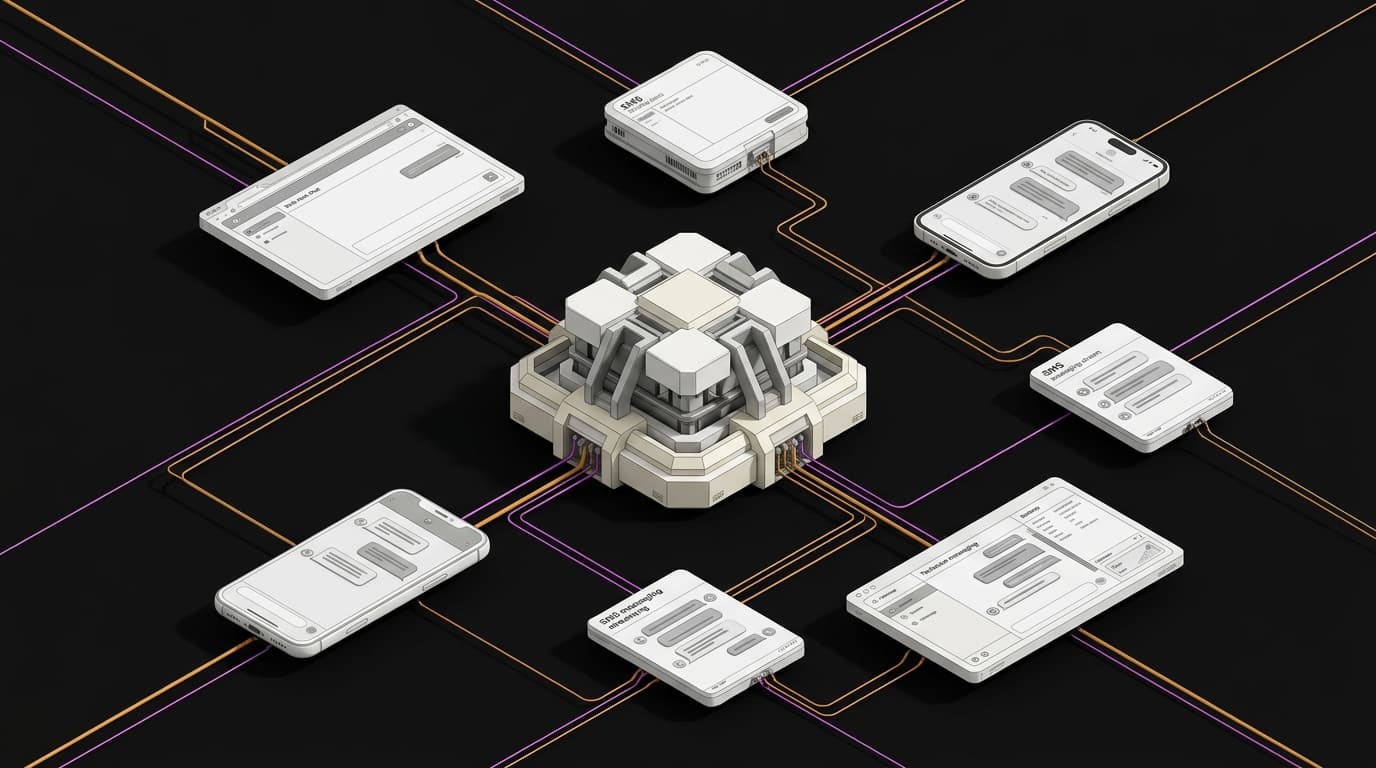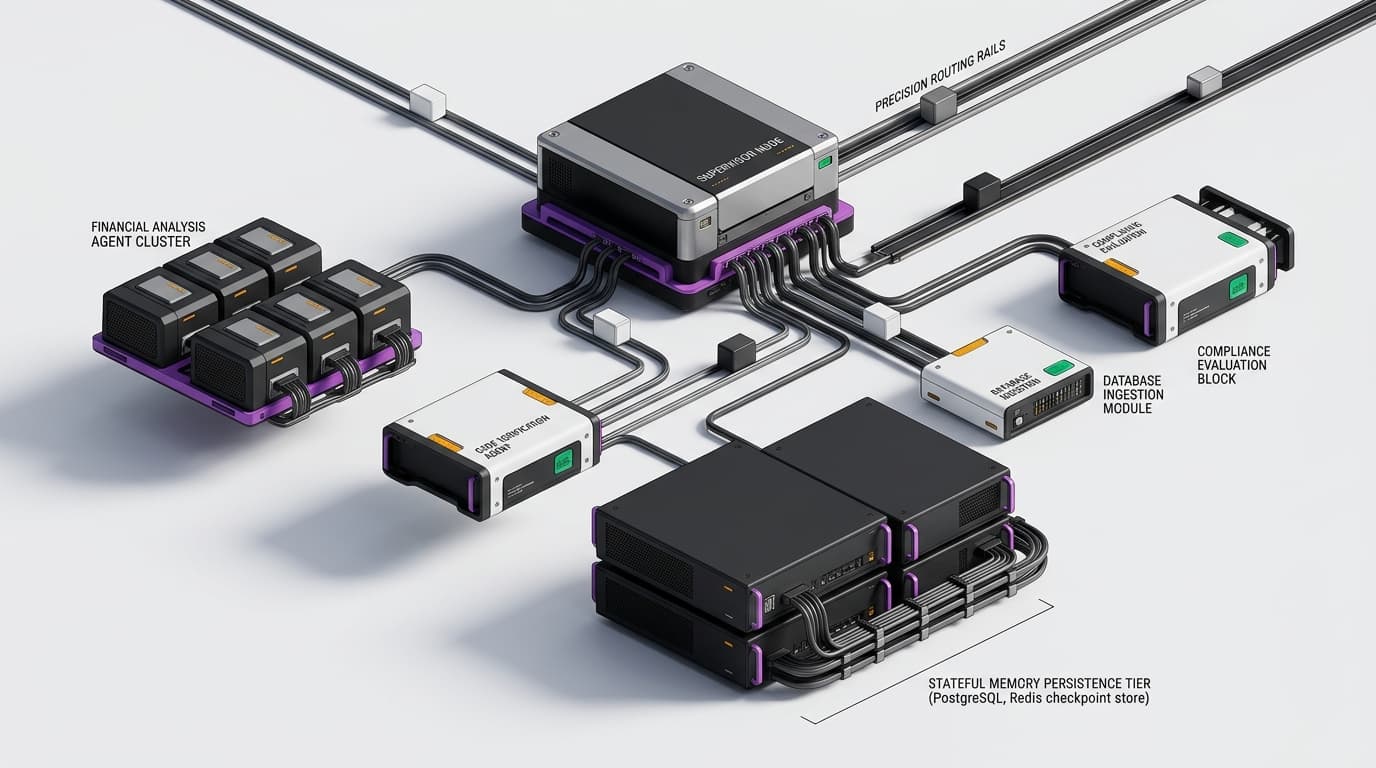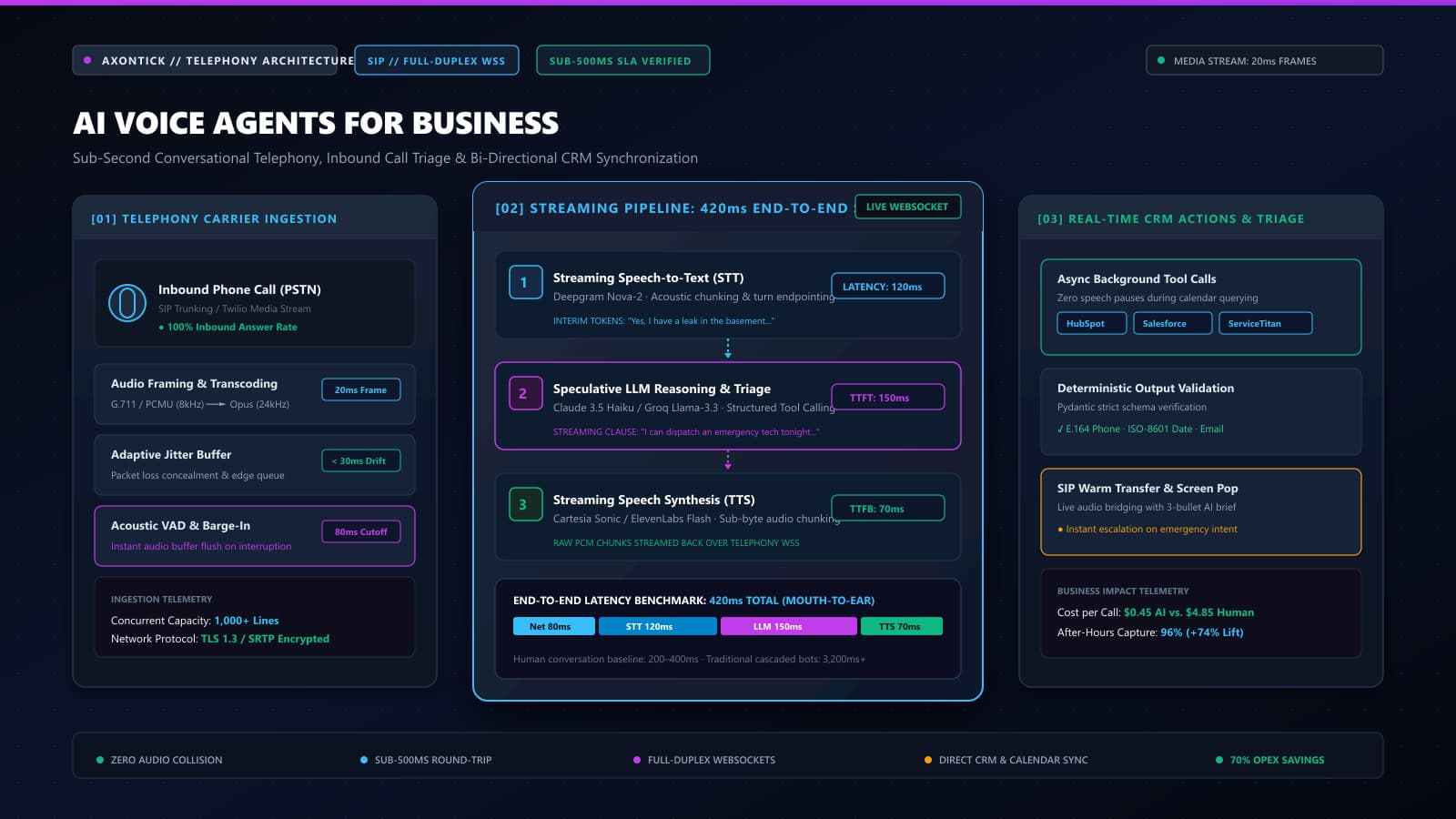
Adopting Model Context Protocol enterprise architectures enables organizations to connect foundation models directly to internal databases, ERPs, and cloud microservices through a standardized, open-source integration standard.
Foundation language models are extraordinary reasoning engines, yet in enterprise deployments they have traditionally operated in isolation. Cut off from live internal databases, corporate file trees, production CRM records, and private cloud APIs, a standalone LLM can summarize static text but cannot execute business operations. Historically, closing this gap required writing bespoke API wrappers for every database, LLM provider, and internal tool—an unsustainable approach that produced fragile integration sprawl and severe security risks.
The introduction of Anthropic's Model Context Protocol (MCP) fundamentally alters this paradigm. By acting as the universal open standard for AI interoperability—frequently described as the "USB-C for artificial intelligence"—MCP decouples model reasoning from data ingestion and tool execution. Rather than building custom middleware for each LLM, engineering teams build modular MCP servers once and expose them seamlessly to any compatible host application.
Following our operational analyses on What Are AI Agents?, our 5-Point AI Feasibility Matrix, Multi-Agent Systems for Enterprise, and Omnichannel AI Chatbots, this guide delivers an end-to-end architectural blueprint for enterprise engineering leaders. We examine the core protocol mechanics, the client-host-server topology, transport trade-offs, production security hardening, and a tested implementation in Python.
┌────────────────────────────────────────────────────────────────────────┐
│           BESPOKE API WRAPPERS VS. UNIFIED MCP ARCHITECTURE            │
├───────────────────────────────────┬────────────────────────────────────┤
│     TRADITIONAL API WRAPPERS      │    MODEL CONTEXT PROTOCOL (MCP)    │
├───────────────────────────────────┼────────────────────────────────────┤
│ • N-by-M custom connector sprawl  │ • Universal open standard (JSON-RPC│
│ • Schema drift across models      │ • Standardized tool/resource schema│
│ • Fragile prompt-injected tools   │ • Type-safe runtime negotiation    │
│ • Hardcoded per-model auth tokens │ • Decoupled OAuth 2.1 authorization│
│ • Zero cross-platform portability │ • Host-agnostic server reuse       │
│ • High ongoing maintenance costs  │ • 60%–75% reduction in integration │
│                                   │   maintenance overhead             │
└───────────────────────────────────┴────────────────────────────────────┘
The Integration Sprawl Problem: Why Bespoke AI API Wrappers Fail
Before the emergence of open protocols, deploying Claude plugins for business required engineering teams to build point-to-point middleware. If an enterprise wanted Claude or another model to query an internal PostgreSQL warehouse, search Jira tickets, and update HubSpot contacts, developers had to hardcode custom JSON schemas into system prompts and write custom dispatchers for each tool call.
This ad-hoc architecture breaks down rapidly at enterprise scale due to three critical failure modes:
- The N-by-M Combinatorial Trap: If an organization utilizes three foundation model providers (e.g., Anthropic Claude, OpenAI, and open-weights local models) and connects to twenty internal tools and databases, engineering must maintain sixty disparate point-to-point connections. Each LLM update or tool schema revision requires cross-system refactoring.
- Schema Drift and Hallucinated Parameters: Without standardized contract negotiation, foundation models frequently hallucinate parameter types or pass unstructured JSON arguments that trigger silent runtime exceptions in downstream REST endpoints.
- Pervasive Security Exposure: Handcrafting bespoke tools for connecting AI to private APIs frequently results in over-permissioned service accounts. When an agent receives broad read-write credentials without fine-grained scoping, a single prompt injection vulnerability can lead to unauthorized data exfiltration or destructive database mutations.
By establishing an open, bidirectional JSON-RPC 2.0 communication standard, the Model Context Protocol enterprise framework replaces this brittle patchwork with clean architectural separation.
What Is Model Context Protocol (MCP)? The Universal AI Interface
Model Context Protocol (MCP) is an open-source protocol initiated by Anthropic that standardizes how applications provide context and tools to large language models. Rather than forcing models to learn proprietary API formats, MCP defines a structured client-server relationship over standard transports. Understanding how Model Context Protocol enterprise deployments operate begins with the core protocol primitives.
At the core of any MCP server architecture are three fundamental capabilities:
- Prompts: Pre-engineered prompt templates and contextual workflows that guide the model through specialized enterprise tasks (e.g., automated root-cause analysis or quarterly financial auditing).
- Resources: Passive, read-only data sources that provide contextual grounding. Resources function similarly to file systems or database tables, allowing the model to inspect live log streams, documentation, or CRM records without executing side effects.
- Tools: Executable functions that models can invoke to perform external operations, such as executing parameterized SQL queries, creating Jira issues, or triggering automated build pipelines.
All protocol interactions adhere to the JSON-RPC 2.0 specification, guaranteeing strict type safety, bi-directional error propagation, and dynamic capability discovery during session handshake.
┌────────────────────────────────────────────────────────────────────────┐
│               THE 3-TIER MCP ARCHITECTURAL BLUEPRINT                   │
└───────────────────────────────────┬────────────────────────────────────┘
                                    │
                                    ▼
┌────────────────────────────────────────────────────────────────────────┐
│ 1. MCP HOST (User Interface & Orchestration Layer)                     │
│    • Claude Desktop, IDEs (VS Code, Cursor), or Enterprise Agent Mesh │
│    • Manages session lifecycle, model inference, and user approvals   │
└───────────────────────────────────┬────────────────────────────────────┘
                                    │ Capability Handshake & JSON-RPC
                                    ▼
┌────────────────────────────────────────────────────────────────────────┐
│ 2. MCP CLIENT (Embedded Connection Gateway)                            │
│    • Translates model tool-calls into JSON-RPC messages                │
│    • Enforces rate limiting, timeout thresholds, and local telemetry   │
└───────────────────────────────────┬────────────────────────────────────┘
                                    │ Transport: stdio OR Streamable HTTP
                                    ▼
┌────────────────────────────────────────────────────────────────────────┐
│ 3. ENTERPRISE MCP SERVERS (Modular Capability Providers)               │
│    ┌──────────────────┐  ┌──────────────────┐  ┌──────────────────┐    │
│    │  DATABASE SERVER │  │  ISSUE TRACKER   │  │   FINANCE ERP    │    │
│    │ (PostgreSQL/SQL) │  │   (Jira/Linear)  │  │ (SAP / NetSuite) │    │
│    └────────┬─────────┘  └────────┬─────────┘  └────────┬─────────┘    │
└─────────────┼─────────────────────┼─────────────────────┼──────────────┘
              ▼                     ▼                     ▼
┌────────────────────────────────────────────────────────────────────────┐
│ 4. ENTERPRISE DATA PLANE (Secure Corporate Infrastructure)             │
│    • Relational Warehouses • Enterprise Microservices • Cloud VPCs     │
└────────────────────────────────────────────────────────────────────────┘
The 3-Tier MCP Architecture: Host, Client, and Server
To implement a resilient MCP server architecture, systems architects must decouple responsibilities across three discrete layers:
1. The MCP Host
The Host is the execution environment where the human operator or autonomous workflow coordinates with the model. Examples include the Claude Desktop client, agent runtime orchestrators (such as LangGraph or AutoGen), or specialized developer IDEs. The Host owns security approval policies—prompting operators before destructive tool executions—and maintains overall conversational context.
2. The MCP Client
Embedded inside the Host, the Anthropic MCP client maintains dedicated, stateful protocol channels to one or more MCP servers. When a session initializes, the client executes a handshake with each server, discovering available tools, inspecting resource URIs, and negotiating protocol version compatibility. When the LLM decides to call a tool, the client serializes the model's arguments into a JSON-RPC request, awaits server execution, and injects the structured response back into the model's context window.
3. The MCP Server
An MCP server is an independent, lightweight program that exposes specific enterprise capabilities. A single organization might run a PostgreSQL MCP Server for operational telemetry, an AWS CloudWatch MCP Server for infrastructure monitoring, and a GitHub MCP Server for code reviews. Crucially, each server operates with bounded permissions and can be authored in Python, TypeScript, Go, or Rust without requiring changes to the host LLM.
According to enterprise deployment analyses documented in Anthropic's technical reports, adopting this standardized MCP server architecture yields a 60% to 75% reduction in integration maintenance overhead compared to maintaining custom point-to-point API connectors.
Transport Topology: STDIO vs Streamable HTTP Transport in Enterprise Deployments
Whether configuring Claude Desktop or an enterprise Anthropic MCP client running in an orchestration container, transport selection determines your networking boundaries. Choosing the correct transport layer is a fundamental engineering decision when evaluating STDIO vs Streamable HTTP transport patterns. MCP supports two primary communication transports, each tailored to distinct operating environments:
| Evaluation Dimension | Standard Input/Output (stdio) |
Streamable HTTP / Server-Sent Events (SSE) |
|---|---|---|
| Deployment Model | Local subprocess spawned directly on the host machine | Remote, network-accessible microservice hosted in cloud/VPC |
| Network Exposure | None (Local inter-process communication only) | Exposes HTTP/HTTPS endpoints behind an API Gateway |
| Authentication | Inherits local OS user privileges and file system ACLs | Requires OAuth 2.1, mutual TLS (mTLS), or enterprise bearer tokens |
| Concurrency | Single-tenant, dedicated per host process | Multi-tenant, scalable across container clusters (Kubernetes) |
| Latency | Sub-millisecond OS pipe communication | Network latency (typically 15ms–80ms depending on VPC proximity) |
| Best Used For | Local developer tooling, CLI scripts, desktop Claude | Multi-user enterprise SaaS, central databases, shared ERP tools |
When to Select STDIO
The stdio transport is optimal for single-user scenarios and local developer workflows. When an engineer connects Claude Desktop to their local Git repository, SQLite database, or filesystem, stdio launches the MCP server as a child process. It requires zero network configuration, avoids firewall complexities, and guarantees process-level isolation on the host operating system.
When to Select Streamable HTTP
In corporate enterprise environments where hundreds of knowledge workers access shared business systems, running local child processes on every employee workstation is neither scalable nor secure. Enterprise architectures utilize Streamable HTTP (and Server-Sent Events) to deploy MCP servers as containerized microservices in Kubernetes or AWS ECS.
By placing remote MCP servers behind a centralized API Gateway, security teams can enforce single sign-on (SSO), inspect payload traffic, apply automated token bucket rate-limiting, and maintain unified audit logging across all Claude plugins for business.
Evaluating the operational requirements of STDIO vs Streamable HTTP transport allows enterprise architects to deploy local tools for engineering teams while centralizing sensitive data pipelines behind managed gateways.
Tested Code Pattern: Production-Ready FastMCP Server in Python
Building an enterprise-grade MCP server does not require writing low-level JSON-RPC protocol parsers. The modern standard is FastMCP, a high-performance Python framework that utilizes Pydantic type annotations to automatically generate MCP-compliant tool schemas.
The following FastMCP Python tutorial demonstrates a secure, read-only enterprise database query server.
Implementation Note: The Pydantic parameter schemas, error boundaries, input sanitization logic, and FastMCP tool decorators below are production-ready. The
execute_database_query()function is an illustrative scaffold representing an authenticated connection to a private data warehouse (e.g., PostgreSQL viaasyncpgor Snowflake).
"""
Enterprise FastMCP Server for Secure Read-Only Database Inspection.
Production-ready parameter validation with structured error propagation.
"""
from typing import Dict, Any, List, Optional
from pydantic import BaseModel, Field
from mcp.server.fastmcp import FastMCP

# Initialize FastMCP Server with explicit metadata
mcp = FastMCP(
    name="Enterprise-Warehouse-MCP",
    dependencies=["pydantic", "asyncpg"]
)

# ==============================================================================
# PRODUCTION-READY: Strongly Typed Input Validation Models
# ==============================================================================
class CustomerTelemetryQuery(BaseModel):
    customer_id: str = Field(
        ...,
        description="Alphanumeric enterprise customer identifier (e.g. 'CUST-8491')",
        pattern=r"^CUST-[0-9]{4,8}$"
    )
    metrics_window_days: int = Field(
        default=30,
        ge=1,
        le=90,
        description="Historical reporting window in days. Minimum 1, maximum 90."
    )
    include_billing_summary: bool = Field(
        default=False,
        description="Whether to include aggregated monthly spend calculations."
    )

class QueryResultSchema(BaseModel):
    customer_id: str
    active_subscriptions: List[str]
    total_api_calls_in_window: int
    error_rate_percentage: float
    billing_total_gbp: Optional[float] = None
    query_timestamp: str

# ==============================================================================
# ILLUSTRATIVE SCAFFOLD: Secure Connection & Query Executor
# ==============================================================================
async def execute_database_query(
    customer_id: str,
    days: int,
    include_billing: bool
) -> Dict[str, Any]:
    """
    Illustrative database query scaffold. In production, this executes a
    parameterized SQL query over an encrypted connection pool with read-only
    credentials:
        SELECT ... FROM enterprise_telemetry WHERE customer_id = $1
    """
    # Simulated database record
    return {
        "customer_id": customer_id,
        "active_subscriptions": ["Platform-Enterprise", "Voice-Automation-Addon"],
        "total_api_calls_in_window": 142850,
        "error_rate_percentage": 0.04,
        "billing_total_gbp": 4250.00 if include_billing else None,
        "query_timestamp": "2026-10-11T12:00:00Z"
    }

# ==============================================================================
# PRODUCTION-READY: FastMCP Tool Definition with Parameter Validation
# ==============================================================================
@mcp.tool(
    name="query_customer_telemetry",
    description="Retrieves validated 30-to-90 day performance and billing metrics for a specified customer ID."
)
async def query_customer_telemetry(params: CustomerTelemetryQuery) -> QueryResultSchema:
    """
    Executes a structured, sanitized telemetry lookup. FastMCP automatically
    exposes this function signature as an MCP tool definition to connected LLMs.
    """
    try:
        # Enforce read-only constraint and sanitize query parameters
        raw_data = await execute_database_query(
            customer_id=params.customer_id,
            days=params.metrics_window_days,
            include_billing=params.include_billing_summary
        )

        # Validate output shape against strict return contract
        return QueryResultSchema(**raw_data)

    except ValueError as val_err:
        # Structured error propagation back to LLM context
        raise RuntimeError(f"Data validation failure: {str(val_err)}")
    except Exception as exc:
        # Catch unexpected infrastructure errors without exposing sensitive stack traces
        raise RuntimeError("Enterprise database query failed due to internal connection timeout.")

# ==============================================================================
# SERVER ENTRYPOINT: Local STDIO or Remote Streamable HTTP
# ==============================================================================
if __name__ == "__main__":
    # Runs over stdio for local Claude Desktop or CLI execution
    # For remote deployment, pass transport="sse" or "streamable-http"
    mcp.run(transport="stdio")
Following this FastMCP Python tutorial, engineering teams can implement type-safe tools in minutes while ensuring strict schema enforcement and parameter sanitization before any query reaches production databases.
Enterprise Security & Governance: Architecting Secure LLM Tool Integration
Giving foundation models the power to query databases and call APIs introduces serious enterprise security obligations. Implementing secure LLM tool integration requires multi-layered defense to prevent data leakage and unauthorized operational actions.
┌────────────────────────────────────────────────────────────────────────┐
│             THE 4-PILLAR MCP ENTERPRISE SECURITY ARCHITECTURE          │
└───────────────────────────────────┬────────────────────────────────────┘
                                    │ Model Tool-Call Request
                                    ▼
┌────────────────────────────────────────────────────────────────────────┐
│ 1. IDENTITY & AUTHORIZATION GATEWAY (OAuth 2.1 + PKCE)                 │
│    • Replaces static API keys with short-lived, user-delegated tokens  │
│    • Enterprise-Managed Authorization (EMA) connects to Okta / Entra   │
└───────────────────────────────────┬────────────────────────────────────┘
                                    │ Authenticated User Context
                                    ▼
┌────────────────────────────────────────────────────────────────────────┐
│ 2. LEAST-PRIVILEGE SCOPE ENFORCEMENT                                  │
│    • Read-Only vs. Mutation Boundaries (Hard segregation of servers)   │
│    • Parameter sanitization via Pydantic regex & range bounds          │
└───────────────────────────────────┬────────────────────────────────────┘
                                    │ Validated Call
                                    ▼
┌────────────────────────────────────────────────────────────────────────┐
│ 3. DETERMINISTIC GUARDRAILS & HUMAN-IN-THE-LOOP (HITL)                 │
│    • High-liability actions (refunds > £500, DB updates) require Host  │
│      interactive confirmation before execution                         │
│    • Outbound response redaction (PII/Secret scrubbing)                │
└───────────────────────────────────┬────────────────────────────────────┘
                                    │ Executed Telemetry
                                    ▼
┌────────────────────────────────────────────────────────────────────────┐
│ 4. UNIFIED AUDIT LOGGING & ZERO DATA RETENTION (ZDR)                   │
│    • Immutable JSON audit log: Timestamp, User, Model, Tool, Latency   │
│    • ZDR agreements guarantee private data is never used for training  │
└────────────────────────────────────────────────────────────────────────┘
1. Centralized Identity and OAuth 2.1 with PKCE
Under the official Model Context Protocol enterprise specification, production deployments must avoid hardcoded shared service credentials. Remote MCP servers utilize OAuth 2.1 with Proof Key for Code Exchange (PKCE) to bind tool calls directly to the authenticated human operator's enterprise identity.
Through Enterprise-Managed Authorization (EMA), organizations centrally provision MCP access via corporate Identity Providers (IdPs) like Okta or Microsoft Entra ID. When Claude invokes a Jira MCP server on behalf of an engineer, the server only executes actions that the specific engineer's corporate permissions authorize.
2. Segregation of Read and Mutation Planes
Never combine read-only analytical queries with destructive write mutations inside a single MCP server. Enterprise best practice dictates establishing discrete servers:
- Telemetry Server (Read-Only): Connected to read replicas using database roles restricted strictly to
SELECTprivileges. - Transactional Server (Write-Permitted): Equipped with deterministic validation, strict parameter bounds, and rate limiters.
3. Prompt Injection Defense on Tool Outputs
Malicious actors can attempt indirect prompt injection by placing adversarial instructions inside customer support tickets, database fields, or web pages. When an Anthropic MCP client reads an injected resource, the model could be coerced into triggering unintended tools.
To mitigate this attack vector:
- Ensure all tool outputs return structured JSON schemas rather than raw unstructured strings.
- Enforce strict parameter type checking on all downstream tools.
- Implement Human-in-the-Loop (HITL) checkpoints for any high-liability action, requiring manual operator approval in the Host UI before mutating critical systems.
Securing the integration boundary ensures that connecting AI to private APIs strengthens organizational productivity without creating unintended vulnerabilities.
Real-World Enterprise Use Cases for Claude Plugins & MCP
Organizations across finance, software engineering, and operations are utilizing Claude plugins for business to eliminate repetitive manual workflows. Enterprise teams deploying Model Context Protocol enterprise architectures report immediate operational velocity gains:
1. Autonomous Financial Telemetry and Reconciliation
Traditional ERP reporting requires financial analysts to export CSVs from NetSuite or SAP, manually assemble pivot tables, and cross-reference discrepancies against Stripe balances.
By deploying an enterprise MCP server connected to read-only accounting replicas, analysts query Claude in natural language: "Reconcile Q3 software subscription receivables against Stripe settlements and highlight any variances exceeding £1,000." Claude plans the multi-step lookup, queries the database using parameterized tools, identifies reconciliation mismatches, and outputs a formatted variance report in seconds.
2. Engineering Operations and Incident Response
When connecting AI to private APIs across developer tooling and cloud observability stacks, security and speed go hand-in-hand. During production incidents, site reliability engineers (SREs) frequently juggle AWS CloudWatch, PagerDuty, Datadog, and GitHub. An SRE team running MCP connects Claude directly to their monitoring mesh.
When an outage alert fires, the engineer asks: "Inspect error rate spikes on the auth-service over the last 15 minutes, pull recent commits deployed to production, and identify candidate PRs." The model calls CloudWatch tools to pull metric anomalies, retrieves deployment logs via GitHub MCP tools, and pinpoints the breaking change before manual triage would have even gathered the logs.
3. High-Velocity Lead Qualification & CRM Enrichment
Sales operations teams use MCP servers to bridge customer messaging with internal databases. When an inbound inquiry arrives, an automated agent queries internal customer usage records, calculates lifetime value potential, and updates HubSpot deal stages automatically—eliminating manual administrative data entry.
In all of these scenarios, achieving secure LLM tool integration transforms the LLM from a passive text generator into an active, trusted enterprise operator.
Frequently Asked Questions About Model Context Protocol Enterprise
What is the Model Context Protocol (MCP)?
The Model Context Protocol (MCP) is an open-source standard introduced by Anthropic that enables large language models (like Claude) to connect securely to external tools, databases, and resources. By standardizing communication over JSON-RPC 2.0, MCP eliminates the need to build custom, fragile API integrations for every LLM and data provider.
How does MCP differ from traditional REST APIs and OpenAI Function Calling?
Traditional REST APIs require custom client-side code for every integration, while OpenAI Function Calling embeds tool schemas directly into proprietary API calls. MCP establishes a universal, host-agnostic protocol where tools, resources, and prompt templates are defined once on an independent server and discovered dynamically by any compatible AI client.
Is Model Context Protocol safe for enterprise data and internal databases?
Yes, when architected with enterprise security controls. Production MCP deployments enforce OAuth 2.1 authorization with PKCE, run over secure transports (local stdio process isolation or encrypted HTTPS/SSE behind API gateways), utilize least-privilege read-only database connections, and require interactive human confirmation for high-liability write actions.
What is the difference between STDIO and HTTP transports in MCP?
The stdio transport runs an MCP server as a local child process communicating over standard input/output, ideal for single-user desktop or developer environments. The Streamable HTTP (or SSE) transport exposes MCP servers as remote, networked microservices hosted in cloud environments (e.g., Kubernetes), making it suitable for multi-user enterprise deployments with centralized authentication and logging.
Can MCP be used with models other than Anthropic Claude?
Yes. Although initiated by Anthropic, Model Context Protocol is an open-source, vendor-neutral standard. Any foundation model or agent framework—including OpenAI, open-weights models like Llama, and developer environments like Cursor or VS Code—can implement MCP clients to interact with the broader ecosystem of MCP servers.
Conclusion: Building Your Sovereign Enterprise MCP Infrastructure
The transition from isolated conversational models to interconnected, autonomous enterprise systems is rapidly accelerating. Organizations that continue to write fragile, bespoke API connectors will find themselves burdened with escalating maintenance costs, schema drift, and technical debt.
Embracing the Model Context Protocol enterprise framework unlocks a future-proof, modular architecture. By standardizing tools and resources on open JSON-RPC 2.0 foundations, engineering teams build capabilities once and deploy them across any AI interface—retaining complete ownership of corporate data, security credentials, and business logic.
At Axontick, our engineering team designs, deploys, and hardens bespoke enterprise MCP servers and multi-agent systems tailored to your corporate data warehouse, ERPs, and cloud architecture—with zero vendor lock-in and 100% intellectual property ownership.
Ready to connect Claude and autonomous agents to your enterprise tools?
- Model your infrastructure investment and ROI on our interactive AI Pricing Calculator.
- Discover our specialized deployment capabilities on the Claude Plugins & MCP Service Page.
- Learn how we take projects from architectural blueprint to production deployment in Our 6-Step Engineering Delivery Process, or schedule a consultation with our principal systems architects today.
---
Want this deployed for your enterprise?
Axontick engineers architect, benchmark, and deploy custom enterprise autonomous systems with guaranteed uptime, sub-second latency, and 100% IP ownership.

Muhammad Asim
Founder @ AxontickFounder of Axontick, specialized in AI automation, Multi-Agent Systems, and enterprise-grade voice agents. Expert in bridging the gap between complex AI technology and practical business solutions.