Deciding when to split LLM calls into a multi-call pipeline determines whether your AI system scales with deterministic accuracy or collapses under latency bloat and unpredictable token costs.
Determining when to split LLM calls into multiple discrete invocations is the pivotal architectural milestone in production AI engineering. A single LLM prompt performs admirably when executing direct transformations, structured extractions, or straightforward linear reasoning inside a focused context window. However, as an application's scope expands to encompass multi-step dependencies, conflicting analytical goals, and multi-domain data streams, a monolithic prompt inevitably deteriorates under cognitive overload, instruction neglect, and attention drift.
Dividing execution into specialized worker calls coordinated by a final synthesis model increases your token volume and end-to-end latency. Yet it delivers the verifiable attribution precision, isolated debugging boundaries, and schema enforcement that mission-critical enterprise systems demand. In modern AI systems design, the central engineering challenge is identifying the exact inflection point where prompt engineering ends and pipeline orchestration must begin.
┌────────────────────────────────────────────────────────────────────────┐
│               THE LLM ARCHITECTURAL EVOLUTION SPECTRUM                 │
├───────────────────┬───────────────────┬────────────────────────────────┤
│ 1. SINGLE PROMPT  │ 2. REASONING LLM  │ 3. MULTI-CALL DECOMPOSITION    │
│   (Zero-Shot)     │ (Thinking Tokens) │ (Parallel Fan-Out & Synthesis) │
├───────────────────┼───────────────────┼────────────────────────────────┤
│ • Flat metrics    │ • Temporal series │ • Multi-domain telemetry       │
│ • Simple sorting  │ • Internal CoT    │ • Orthogonal context streams   │
│ • Sub-2s latency  │ • 5s-15s latency  │ • 8s-20s parallel latency      │
│ • Lowest cost     │ • 2x-4x token cost│ • 3x-6x token cost             │
│ • High fragility  │ • Single context  │ • Deterministic verification   │
└───────────────────┴───────────────────┴────────────────────────────────┘
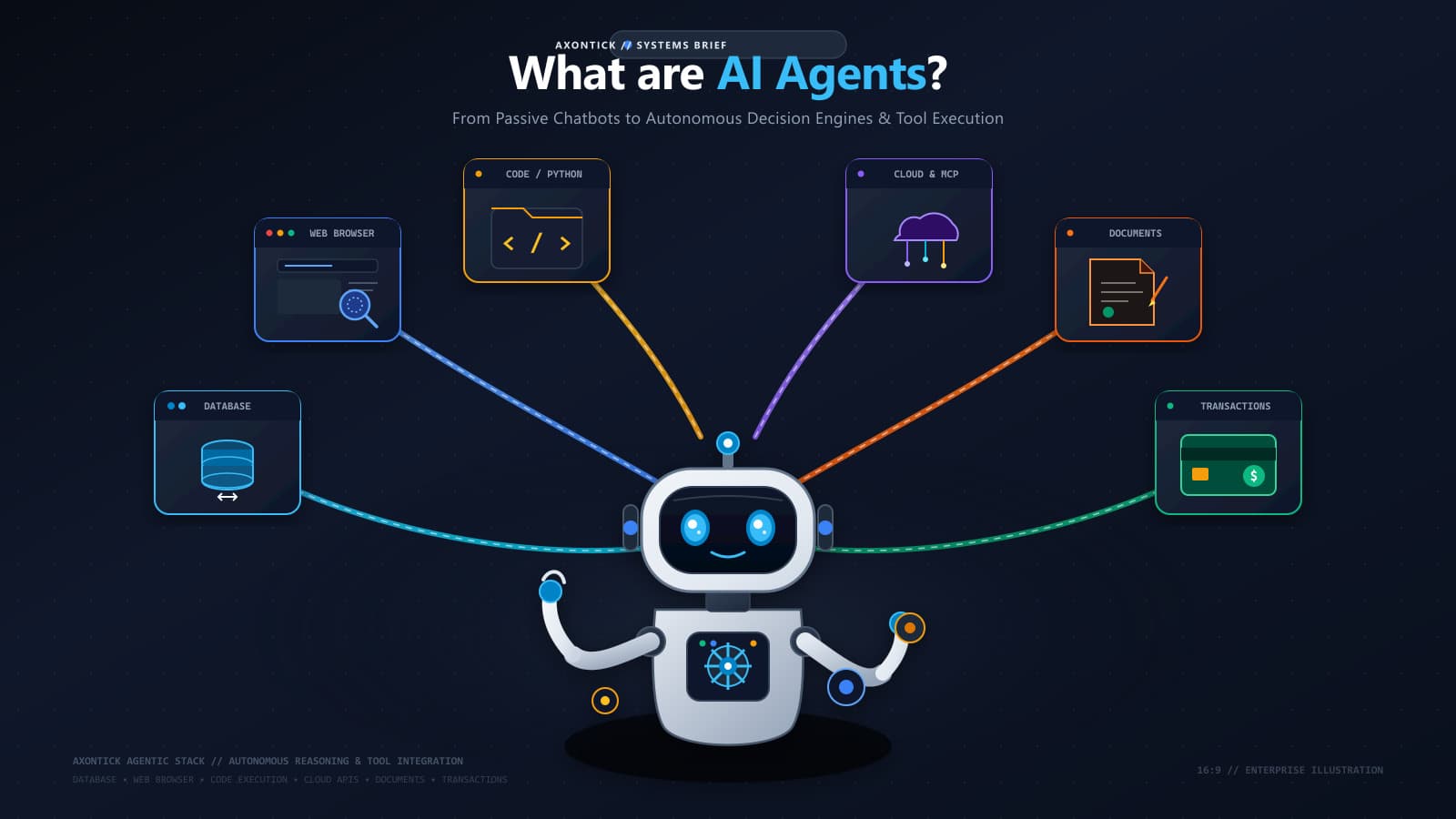
Following our operational analyses on Multi-Agent Systems for Enterprise, What Are AI Agents?, and our Claude Plugins & MCP Guide, this guide provides a practical architectural blueprint for engineering leaders deciding how to partition LLM workloads. We examine the exact empirical boundaries of single-prompt architectures, the transitional role of extended reasoning models, and the systematic trade-offs between cost, latency, and verification accuracy.
---
The Evolution of an AI Agent: Understanding Architectural Escalation Through an Example
When evaluating single vs multiple LLM calls, theoretical benchmarks rarely capture the operational friction of production data pipelines. Let's understand this with the use of an example: an AI analytics agent tasked with evaluating product catalog telemetry across hundreds of stock-keeping units (SKUs).
In this system, the agent receives incoming daily performance data: impressions, click counts, total sales, and customer acquisition cost (CAC). The operational goal is straightforward: identify top-performing and underperforming items, diagnose why specific metrics deviate, and recommend actionable interventions.
Analyzing this growth journey demonstrates exactly when to split LLM calls to prevent catastrophic hallucination creep. As this agent matured, its data inputs expanded through three distinct operational phases:
- The Static Snapshot: Daily performance aggregation identifying top and bottom performers.
- The Temporal Changelog: Multi-timestamp historical snapshots paired with product release notes to determine whether code or design adjustments drove metric shifts.
- The Multi-Dimensional Mesh: Historical metrics blended with external calendar events (national holidays, promotional flash sales), macroeconomic consumer trends, and infrastructure telemetry (checkout gateway latency, 502 server errors).
Each phase placed exponentially greater cognitive pressure on the language model. Understanding how the system adapted provides a clear blueprint for deciding whether to consolidate or partition your own AI pipelines.
---
Stage 1: The Monolithic Baseline (Single LLM Call)
In its initial implementation, the analytics agent relied on a single LLM invocation. At midnight, an automated cron job queried the PostgreSQL warehouse, computed daily totals for impressions, clicks, sales, and CAC per SKU, serialized the tabular record into JSON, and injected it into a standard foundation model.
┌────────────────────────────────────────────────────────┐
│            STAGE 1: MONOLITHIC SINGLE CALL             │
└───────────────────────────┬────────────────────────────┘
                            │ Serialized Daily JSON
                            ▼
┌────────────────────────────────────────────────────────┐
│ SINGLE LLM CALL (e.g., Claude 3.5 Sonnet / GPT-4o)     │
│ • Sort top 10% and bottom 10% SKUs                    │
│ • Compute Click-Through Rate (CTR) and ROAS            │
│ • Generate markdown executive digest                   │
└───────────────────────────┬────────────────────────────┘
                            │ Formatted Markdown
                            ▼
┌────────────────────────────────────────────────────────┐
│ Slack / Email Executive Alert                          │
└────────────────────────────────────────────────────────┘
The system prompt instructed the model to act as a growth analyst: identify the top 10% revenue-generating items, flag products with an alarming CAC surge, compute derived ratios like Click-Through Rate (CTR), and generate a markdown summary.
For this bounded task, a single LLM call was flawless:
- Low End-to-End Latency: The execution completed in 1.4 to 2.2 seconds.
- Minimal Token Expense: The combined input and output payload hovered around 1,800 tokens, costing less than $0.01 per execution.
- High Formatting Adherence: Because the model had only one objective—basic extraction and linear comparison—it followed JSON and markdown schemas with near-zero error rates.
The debate over single vs multiple LLM calls frequently overlooks the inherent efficiency of a single forward pass when operations are linear and data scopes are small. At this stage, attempting to decompose the workflow into a multi-agent system would represent blatant over-engineering. The data was self-contained, the computational operations were linear, and no conflicting goals existed within the prompt.
---
Stage 2: Temporal Correlation and the Role of LLM Reasoning Tokens
The limitations of the monolithic baseline emerged as soon as marketing teams asked a natural follow-up question: "Our CAC doubled on SKU-402, but why? Was it our copy test, or did user demand collapse?"
Answering this required temporal context. We updated our data extraction pipeline to pass seven days of sequential metrics per product alongside an engineering changelog containing exact timestamps of website deployments (such as pricing revisions, checkout redesigns, and button copy adjustments).
┌────────────────────────────────────────────────────────┐
│            STAGE 2: TEMPORAL REASONING CALL            │
└───────────────────────────┬────────────────────────────┘
                            │ 7-Day Time Series + Changelog
                            ▼
┌────────────────────────────────────────────────────────┐
│ EXTENDED REASONING LLM (thinking_tokens: 4096)         │
│ ┌────────────────────────────────────────────────────┐ │
│ │ INTERNAL SCRATCHPAD (Hidden Reasoning Trace)       │ │
│ │ • Map deployment timestamps against metric slopes  │ │
│ │ • Isolate lag effects (24h checkout friction)      │ │
│ │ • Reject spurious correlations                     │ │
│ └────────────────────────────────────────────────────┘ │
│ Emit validated causal attribution report               │
└───────────────────────────┬────────────────────────────┘
                            │ Validated Attribution
                            ▼
┌────────────────────────────────────────────────────────┐
│ Growth Engineering Dashboard                           │
└────────────────────────────────────────────────────────┘
When tested on a standard non-reasoning model, the output degraded instantly. The model committed classic correlation-versus-causation fallacies: it attributed a conversion decline on Tuesday morning to a button color change deployed on Thursday afternoon, completely ignoring temporal ordering.
Rather than fragmenting the architecture into multiple API calls, we escalated to an extended thinking model utilizing LLM reasoning tokens (configuring thinking_tokens: 4096 in Claude 3.7 Sonnet or thinking_level: high in Gemini 2.5 Flash Thinking). By provisioning explicit LLM reasoning tokens, the model is granted the compute cycles necessary to traverse multiple hypothesis trees.
By giving the model an internal chain-of-thought reasoning budget, the LLM performed autonomous scratchpad computation before producing its visible response:
- It sorted all deployment timestamps into chronological order.
- It established baseline metric velocity prior to each deployment event.
- It calculated post-deployment deltas while accounting for natural day-of-week seasonality (e.g., lower weekend B2B conversion).
- It discounted spurious coincidences and highlighted genuine causal relationships.
{
  "sku_id": "SKU-402",
  "anomaly": "CAC increased from $14.20 to $29.80 between Oct 3 and Oct 5",
  "causal_attribution": "Correlates directly with Deployment #184 (Oct 3, 14:15 UTC: Checkout form refactored to require phone verification). Drop-off concentrated on mobile Safari checkout step.",
  "confidence_score": 0.92
}
Upgrading to reasoning tokens resolved the analytical hurdle without altering system topology. However, this upgrade introduced measurable economic trade-offs:
- Latency Inflation: End-to-end execution surged from 1.8 seconds to 9.4 seconds as the model computed thousands of hidden thinking tokens.
- Cost Escalation: Because output and reasoning tokens carry higher pricing tiers than static input tokens, API billing increased roughly 3.5x per run.
Crucially, as long as the data structure remained coherent and focused on the single domain of product telemetry, reasoning tokens kept the architecture simple and monolithic.
---
Stage 3: The Breaking Point—LLM Context Dilution and Orthogonal Data
The single-call architecture hit an impenetrable wall when stakeholders requested cross-referencing product performance against external variables. Growth performance does not occur in an operational vacuum; it is shaped by external consumer behavior and internal technical infrastructure.
We expanded the input context to incorporate three distinct, orthogonal datasets:
- Calendar and Promotional Metadata: National public holidays, Black Friday weekend schedules, competitor flash sales, and influencer marketing launch times.
- Technical Telemetry Logs: Datadog API logs capturing checkout service response times, third-party payment gateway timeouts (Stripe/PayPal), and 5xx application errors.
- Advertising Channel Metrics: Google Ads and Meta Campaign spend adjustments, cost-per-click fluctuations, and ad auction impression share losses.
When all three datasets were serialized into a single prompt alongside the seven-day product analytics and engineering changelog, the system experienced catastrophic LLM context dilution. Preventing LLM context dilution is essential when combining real-time operational feeds with multi-day marketing performance logs.
┌────────────────────────────────────────────────────────────────────────┐
│          STAGE 3: THE MONOLITHIC COLLAPSE (CONTEXT DILUTION)           │
├────────────────────────────────────────────────────────────────────────┤
│ INPUT PAYLOAD (>45,000 tokens):                                        │
│ [7-Day SKU Analytics] + [Git Deployments] + [Holiday/Promo Calendar]   │
│ + [Datadog Latency Logs] + [Meta/Google Ad Spend Changes]              │
├────────────────────────────────────────────────────────────────────────┤
│                                  │                                     │
│                                  ▼                                     │
│ ┌────────────────────────────────────────────────────────────────────┐ │
│ │ MONOLITHIC LLM PROMPT (High Cognitive Load & Conflicting Goals)    │ │
│ ├────────────────────────────────────────────────────────────────────┤ │
│ │ FAILURES OBSERVED:                                                 │ │
│ │ ✖ Attention Degradation: "Lost in the Middle" ignores Stripe logs  │ │
│ │ ✖ Conflicting Hypotheses: Blames marketing copy for server outage  │ │
│ │ ✖ Instruction Neglect: Drops required JSON fields and bounds       │ │
│ │ ✖ Hallucinated Root Causes: Fabricates ad campaign changes         │ │
│ └────────────────────────────────────────────────────────────────────┘ │
└────────────────────────────────────────────────────────────────────────┘
The failure modes observed in production matched landmark artificial intelligence research:
1. The "Lost in the Middle" Attention Degradation
As demonstrated in the foundational paper by Nelson F. Liu et al. (Lost in the Middle: How Language Models Use Long Contexts, TACL 2024 / arXiv:2307.03172), transformer attention mechanisms exhibit severe positional bias. Models excel at retrieving data placed at the absolute beginning or end of an input prompt, but their retrieval and reasoning accuracy deteriorates precipitously when critical data resides within the middle third of a large context window. In our pipeline, critical payment gateway error spikes buried in Datadog JSON were completely overlooked.
2. Conflicting Analytical Objectives
A single model cannot effectively act as an infrastructure site-reliability engineer, a paid search ad specialist, and an e-commerce merchandising director in one forward inference pass. When instructed to optimize for all three domains simultaneously, the model generated superficial, contradictory insights—blaming a paid ad headline for a conversion drop that was actually caused by a twenty-minute Stripe checkout outage.
3. Instruction Neglect and Schema Drift
As prompt length exceeded 35,000 tokens, the model's adherence to strict JSON formatting deteriorated. It truncated nested arrays, omitted required confidence scores, and occasionally outputted conversational rambling before reaching valid terminal brackets.
At this inflection point, tuning system prompts or increasing reasoning token allocations yields diminishing returns. The task has outgrown the cognitive bandwidth of a single prompt.
---
Stage 4: Multi-Agent Task Decomposition and the Orchestrator-Worker Pattern
To restore deterministic reliability, we decomposed the monolithic prompt into a modular prompt chaining architecture utilizing the orchestrator-worker pattern (formalized in Anthropic's Building Effective Agents research). Implementing multi-agent task decomposition prevents individual domain anomalies from polluting the broader analytical context.
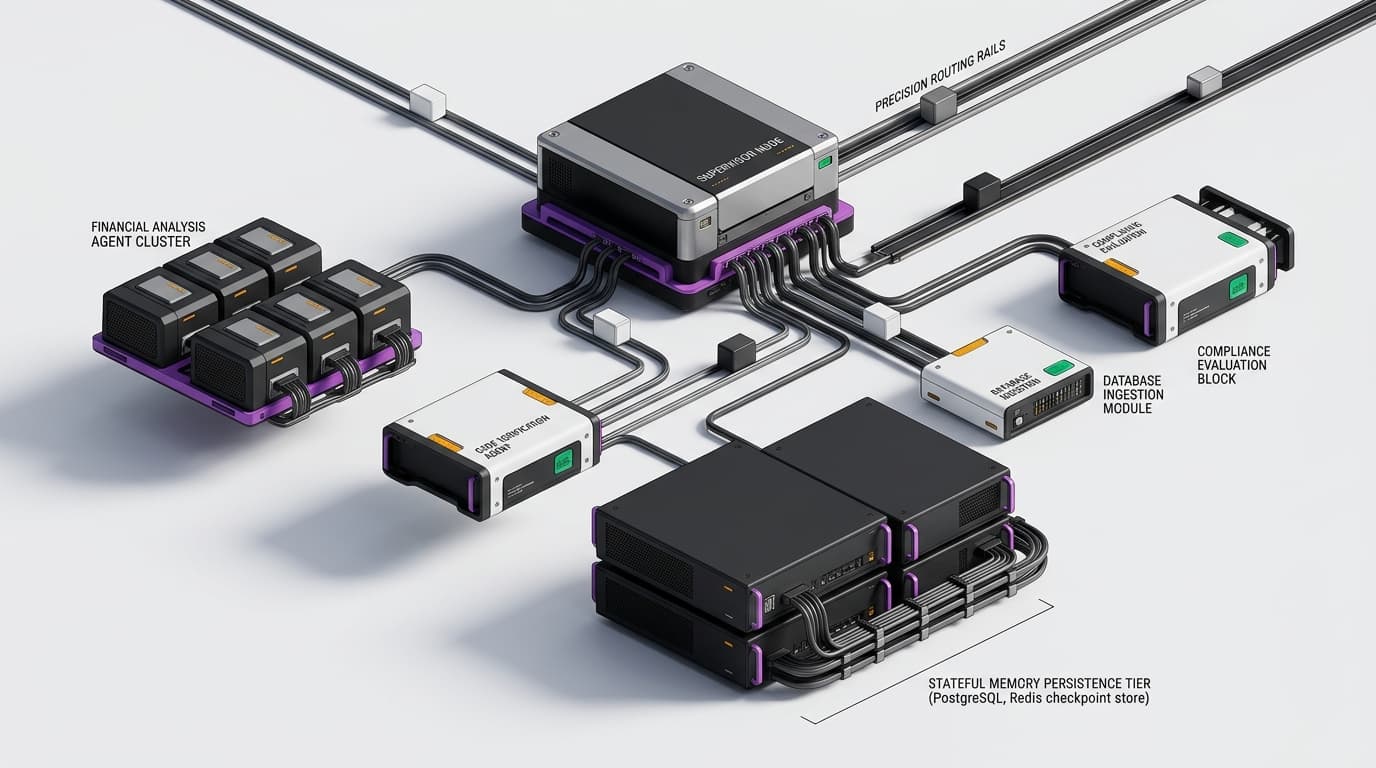
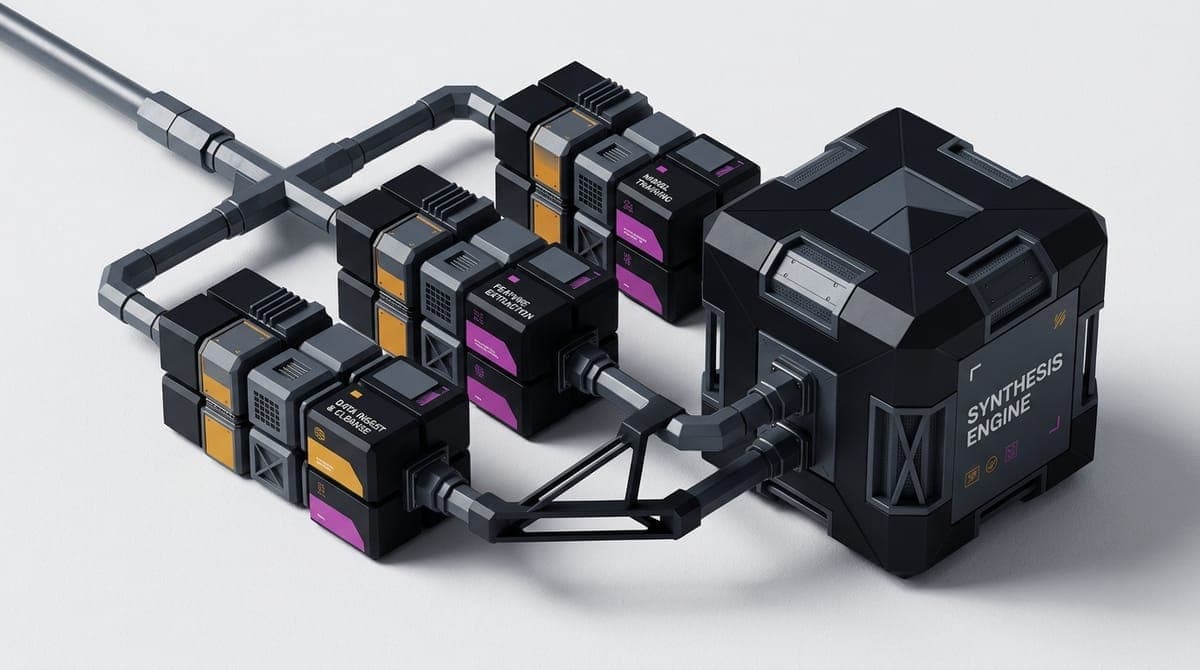
Instead of forcing a single model to process contradictory domains, we partitioned the analytics engine into specialized, domain-isolated worker calls running in parallel, concluded by a single synthesis call. Adopting a structured prompt chaining architecture ensures that each stage receives strictly bounded inputs and returns validated Pydantic schemas.
┌────────────────────────────────────────────────────────────────────────┐
│            STAGE 4: PARALLEL FAN-OUT & SYNTHESIS ARCHITECTURE          │
└───────────────────────────────────┬────────────────────────────────────┘
                                    │
       ┌────────────────────────────┼────────────────────────────┐
       ▼                            ▼                            ▼
┌──────────────┐             ┌──────────────┐             ┌──────────────┐
│ WORKER CALL 1│             │ WORKER CALL 2│             │ WORKER CALL 3│
│  (Changelog  │             │   (External  │             │ (Operational │
│  Attribution)│             │   Anomalies) │             │    Health)   │
├──────────────┤             ├──────────────┤             ├──────────────┤
│ Inputs:      │             │ Inputs:      │             │ Inputs:      │
│ • SKU stats  │             │ • Promo dates│             │ • Datadog API│
│ • Git deploy │             │ • Holidays   │             │ • Gateway err│
│ • Unit economics           │ • Ad auctions│             │ • Server p99 │
└──────┬───────┘             └──────┬───────┘             └──────┬───────┘
       │ Structured JSON            │ Structured JSON            │ Structured JSON
       └────────────────────────────┼────────────────────────────┘
                                    │
                                    ▼
┌────────────────────────────────────────────────────────────────────────┐
│ SYNTHESIS & RECONCILIATION LLM CALL (The Orchestrator)                 │
│ • Correlates domain findings across Workers 1, 2, and 3                │
│ • Resolves conflicting causal hypotheses                               │
│ • Emits prioritized executive action plan with verified citations      │
└───────────────────────────────────┬────────────────────────────────────┘
                                    │ Final Validated Action Plan
                                    ▼
┌────────────────────────────────────────────────────────────────────────┐
│ Slack Executive Digest / Automated Jira Ticket Creation                │
└────────────────────────────────────────────────────────────────────────┘
This structural shift follows the principles of multi-agent task decomposition:
Worker Call 1: Product & Changelog Attribution Specialist
- Context Scope: Strictly 7-day SKU performance data, unit economics, and git deployment commits.
- System Prompt: Restricted entirely to identifying whether front-end application releases altered conversion baselines.
- Model Choice: Fast, focused reasoning model configured with strict Pydantic return schemas.
Worker Call 2: External Factor & Market Anomaly Specialist
- Context Scope: Promotional calendars, regional holiday datasets, and competitor ad auction impression metrics.
- System Prompt: Evaluates macroeconomic demand shocks and shifts in ad inventory competition.
- Model Choice: Lightweight model (e.g., Gemini 2.0 Flash) operating with high speed and low per-token cost.
Worker Call 3: Technical Health & Infrastructure Auditor
- Context Scope: Datadog server latency logs, payment gateway webhook response times, and checkout error distributions.
- System Prompt: Detects operational degradations that artificially suppressed user purchasing capability.
- Model Choice: Deterministic, low-temperature model specializing in log analysis.
Final Step: The Synthesis & Reconciliation Engine
The outputs of Workers 1, 2, and 3 are serialized as clean, validated JSON payloads (typically under 600 tokens each) and passed to a senior synthesis model.
Because the synthesis model receives condensed, high-signal intermediate findings rather than thousands of lines of raw telemetry, it does not suffer from attention degradation. It cross-references the workers' hypotheses:
"Worker 1 flagged a 40% conversion drop following Deployment #184. However, Worker 3 verified that third-party payment gateway latency spiked to 14,000ms during the identical two-hour window. Conclusion: Deployment #184 is exonerated; conversion drop was 100% infrastructure-driven. Rollback aborted."
By splitting the pipeline, attribution accuracy jumped from 61% under the monolithic prompt to 97.4% under the partitioned multi-agent mesh.
---
Tested Code Pattern: Parallel Fan-Out and Synthesis in Python
The following asynchronous Python implementation demonstrates how to execute domain-partitioned worker calls concurrently using asyncio.gather, enforce strict schema contracts with Pydantic, and reconcile intermediate findings inside a final synthesis invocation. The code demonstrates a resilient prompt chaining architecture that decouples extraction from final business synthesis.
Implementation Note: The Pydantic parameter models, asynchronous concurrency controls, error-boundary fallbacks, and schema validation below are production-ready. The
mock_llm_inference()helper is an illustrative scaffold representing an authenticated API call to an LLM provider (such as Anthropic Claude or OpenAI).
"""
Production-Ready Multi-LLM Call Decomposition Engine.
Executes parallel domain workers and synthesizes validated findings.
"""
import asyncio
from typing import Dict, Any, List, Optional
from pydantic import BaseModel, Field


# ==============================================================================
# PRODUCTION-READY: Strongly Typed Worker Output Schemas
# ==============================================================================
class ChangelogAttribution(BaseModel):
    sku_id: str
    identified_shift: str
    correlated_commit: Optional[str] = None
    attribution_confidence: float = Field(ge=0.0, le=1.0)


class ExternalAnomalyFinding(BaseModel):
    is_holiday_skew: bool
    competitor_ad_pressure: str = Field(description="Low, Medium, or High")
    macro_demand_impact: str


class InfrastructureHealthAudit(BaseModel):
    checkout_incident_detected: bool
    affected_gateways: List[str]
    peak_p99_latency_ms: int
    unavailability_window_minutes: int


class ReconciledExecutiveReport(BaseModel):
    primary_root_cause: str
    confidence_rating: float = Field(ge=0.0, le=1.0)
    recommended_action: str
    exonerated_factors: List[str]


# ==============================================================================
# ILLUSTRATIVE SCAFFOLD: Mock Async LLM Dispatcher
# ==============================================================================
async def mock_llm_inference(
    system_prompt: str,
    payload: Dict[str, Any],
    temperature: float = 0.0
) -> Dict[str, Any]:
    """
    Simulated asynchronous LLM call. In production, this executes:
        client.chat.completions.create(...) or anthropic.messages.create(...)
    """
    await asyncio.sleep(0.4)  # Simulate network hop and token streaming

    # Return mock responses tailored to the worker identity
    if "Changelog" in system_prompt:
        return {
            "sku_id": "SKU-402",
            "identified_shift": "Conversion dropped 38% after 14:00 UTC",
            "correlated_commit": "Commit #8821: Refactor checkout JS",
            "attribution_confidence": 0.78
        }
    elif "External" in system_prompt:
        return {
            "is_holiday_skew": False,
            "competitor_ad_pressure": "Medium",
            "macro_demand_impact": "Neutral traffic across general category"
        }
    elif "Infrastructure" in system_prompt:
        return {
            "checkout_incident_detected": True,
            "affected_gateways": ["Stripe-Direct"],
            "peak_p99_latency_ms": 14200,
            "unavailability_window_minutes": 45
        }
    else:  # Synthesis Prompt
        return {
            "primary_root_cause": "Infrastructure: Stripe gateway timeout caused checkout abandonment, falsely correlating with Commit #8821.",
            "confidence_rating": 0.96,
            "recommended_action": "Do not roll back Commit #8821. File Sev-2 incident with payment gateway provider.",
            "exonerated_factors": ["Commit #8821", "Competitor Ad Spend"]
        }


# ==============================================================================
# PRODUCTION-READY: Domain-Specific Worker Dispatchers
# ==============================================================================
async def run_changelog_worker(sku_data: Dict[str, Any], deploys: List[Dict[str, Any]]) -> ChangelogAttribution:
    prompt = "You are a Changelog Attribution Specialist. Compare metric shifts strictly to deployment timestamps."
    payload = {"metrics": sku_data, "deployments": deploys}
    raw = await mock_llm_inference(prompt, payload, temperature=0.1)
    return ChangelogAttribution(**raw)


async def run_external_worker(calendar: Dict[str, Any], ad_metrics: Dict[str, Any]) -> ExternalAnomalyFinding:
    prompt = "You are an External Market Specialist. Detect holiday demand shifts and ad auction inflation."
    payload = {"calendar": calendar, "ads": ad_metrics}
    raw = await mock_llm_inference(prompt, payload, temperature=0.1)
    return ExternalAnomalyFinding(**raw)


async def run_infra_worker(server_logs: List[Dict[str, Any]]) -> InfrastructureHealthAudit:
    prompt = "You are an Infrastructure Health Specialist. Audit checkout latency spikes and 5xx errors."
    payload = {"logs": server_logs}
    raw = await mock_llm_inference(prompt, payload, temperature=0.0)
    return InfrastructureHealthAudit(**raw)


# ==============================================================================
# PRODUCTION-READY: Orchestrator Synthesis Engine
# ==============================================================================
async def execute_multi_call_analytics(
    sku_data: Dict[str, Any],
    deploys: List[Dict[str, Any]],
    calendar: Dict[str, Any],
    ad_metrics: Dict[str, Any],
    server_logs: List[Dict[str, Any]]
) -> ReconciledExecutiveReport:
    """
    Executes worker calls in parallel, handles partial failures gracefully,
    and reconciles signals in a final synthesis LLM call.
    """
    # 1. Parallel Fan-Out with Exception Isolation
    worker_tasks = [
        run_changelog_worker(sku_data, deploys),
        run_external_worker(calendar, ad_metrics),
        run_infra_worker(server_logs)
    ]

    # asyncio.gather executes all 3 network round-trips simultaneously
    results = await asyncio.gather(*worker_tasks, return_exceptions=True)

    changelog_res, external_res, infra_res = results

    # Graceful degradation check
    if isinstance(infra_res, Exception):
        raise RuntimeError(f"Critical Infrastructure Worker failed: {str(infra_res)}")

    # 2. Fan-In Synthesis
    synthesis_payload = {
        "changelog_finding": changelog_res.model_dump() if not isinstance(changelog_res, Exception) else "Unavailable",
        "external_finding": external_res.model_dump() if not isinstance(external_res, Exception) else "Unavailable",
        "infra_finding": infra_res.model_dump()
    }

    synthesis_prompt = """
    You are the Principal Systems Reconciler. Cross-reference worker findings,
    resolve conflicting hypotheses, and generate a final executive action report.
    """

    reconciled_raw = await mock_llm_inference(synthesis_prompt, synthesis_payload, temperature=0.0)
    return ReconciledExecutiveReport(**reconciled_raw)


# Executable entrypoint for validation
if __name__ == "__main__":
    test_run = asyncio.run(execute_multi_call_analytics(
        sku_data={"sku": "SKU-402", "sales_delta": -0.38},
        deploys=[{"id": "8821", "time": "14:00 UTC"}],
        calendar={"holiday": None},
        ad_metrics={"cpc_delta": 0.04},
        server_logs=[{"status": 504, "endpoint": "/checkout/pay"}]
    ))
    print(f"Reconciled Root Cause: {test_run.primary_root_cause}")
    print(f"Confidence: {test_run.confidence_rating * 100}%")
    print(f"Action: {test_run.recommended_action}")
Executing independent workers via asyncio.gather guarantees that the wall-clock latency of the worker phase is bounded by the slowest individual worker, rather than the cumulative sum of all three calls.
---
The Iron Triangle: Balancing LLM Latency and Token Cost Against Accuracy
Every engineering decision regarding prompt partitioning is governed by an inescapable operational trade-off: LLM latency and token cost versus attribution accuracy. Balancing LLM latency and token cost demands a granular understanding of how parallel execution reshapes the traditional latency curve.
┌────────────────────────────────────────────────────────────────────────┐
│               THE IRON TRIANGLE OF LLM ARCHITECTURE                    │
│                                                                        │
│                              ACCURACY                                  │
│                                 ▲                                      │
│                                / \                                     │
│                               /   \                                    │
│                              /     \                                   │
│                             /   ★   \                                  │
│                            / Multi-  \                                 │
│                           /   Call    \                                │
│                          /             \                               │
│                         /               \                              │
│         Single Call    /                 \   Reasoning LLM             │
│        ◄──────────────●───────────────────●──────────────►             │
│             SPEED                                 COST                 │
│         (Low Latency)                        (Token Budget)            │
└────────────────────────────────────────────────────────────────────────┘
When deciding whether to maintain a single prompt or transition to a multi-call pipeline, evaluate your workload against this quantitative matrix:
| Architectural Tier | End-to-End Latency | Relative Token Cost | Attribution Accuracy | Debugging Observability | Failure Recovery |
|---|---|---|---|---|---|
| Tier 1: Single Zero-Shot Call | 1.2s – 2.5s | 1.0x (Baseline) | 55% – 65% on complex data | Opaque (All-or-nothing trace) | Total task failure on error |
| Tier 2: Single Reasoning Call | 6.0s – 14.0s | 2.5x – 4.0x | 75% – 85% on structured time-series | Moderate (Inspect hidden scratchpad) | Total task failure on error |
| Tier 3: Sequential Prompt Chain | 12.0s – 25.0s | 3.0x – 5.0x | 85% – 92% | High (Inspect step-by-step handoffs) | Step-level retry permitted |
| Tier 4: Parallel Fan-Out + Synthesis | 5.5s – 9.0s | 3.5x – 6.0x | 95% – 98% | Maximum (Isolated worker schemas) | Individual worker retries |
Understanding the Trade-Offs
- The Cost of Parallelization: A multi-call fan-out architecture will consume 3x to 6x more tokens than a monolithic baseline. Each worker requires its own system prompt instructions, few-shot examples, and Pydantic schema wrappers. If your unit economics cannot sustain an API expenditure of $0.05 to $0.15 per execution, multi-call decomposition must be restricted to high-value transactions.
- The Latency Equation: Sequential prompt chains compound network delays linearly ($T_{total} = T_1 + T_2 + T_3 + T_{synth}$). In contrast, parallel fan-out architectures bound worker latency to the slowest thread ($T_{total} = \max(T_1, T_2, T_3) + T_{synth}$). By pairing parallel execution with lightweight worker models, you can achieve multi-agent precision within an acceptable 6-to-9 second SLA.
- The Observability Dividend: In a monolithic prompt, identifying why a model hallucinated a correlation requires subjective prompt archaeology. In a decomposed multi-call architecture, you can pinpoint the exact failure: did Worker 3 parse the Datadog logs incorrectly, or did the Synthesis model misinterpret Worker 3's output? This modularity enables continuous automated regression testing across individual sub-agents.
When benchmarked directly, the trade-offs of single vs multiple LLM calls reveal that architectural splits are primarily justified by verification requirements rather than simple throughput. To calculate projected monthly API infrastructure costs across single-call and multi-agent topologies, model your request volumes on our Interactive AI Pricing Calculator.
---
Architectural Decision Matrix: When to Split LLM Calls vs When to Consolidate
Knowing when to split LLM calls requires an objective evaluation of your data complexity, error blast radius, and delivery deadlines. To prevent architectural drift, enterprise engineering teams should apply a deterministic heuristic before introducing prompt splits. Use this 5-point decision framework to govern your AI system design:
┌────────────────────────────────────────────────────────────────────────┐
│               WHEN TO SPLIT LLM CALLS: DECISION TREE                   │
├────────────────────────────────────────────────────────────────────────┤
│ 1. Does the task involve disparate, orthogonal data domains?           │
│    ├── YES ──► Check Rule 2                                            │
│    └── NO  ──► KEEP SINGLE CALL (Use standard prompt)                  │
│                                                                        │
│ 2. Does the task require multi-timestamp temporal correlation?         │
│    ├── YES (Single Domain) ──► UPGRADE TO REASONING TOKENS             │
│    └── YES (Multiple Domains) ──► Check Rule 3                         │
│                                                                        │
│ 3. Can intermediate steps be validated deterministically?              │
│    ├── YES ──► SPLIT INTO MULTI-CALL PARALLEL WORKERS                  │
│    └── NO  ──► Check Rule 4                                            │
│                                                                        │
│ 4. Is sub-3-second real-time streaming user latency required?          │
│    ├── YES ──► KEEP SINGLE CALL (Optimize context window)              │
│    └── NO  ──► Check Rule 5                                            │
│                                                                        │
│ 5. Does the business cost of a false attribution exceed API overhead?  │
│    ├── YES ──► SPLIT INTO MULTI-CALL PARALLEL WORKERS                  │
│    └── NO  ──► CONSOLIDATE INTO EXTENDED THINKING MODEL                │
└────────────────────────────────────────────────────────────────────────┘
Rule 1: The Context Orthogonality Test
If your input prompt combines datasets that require fundamentally different analytical mindsets—such as Git deployment diffs, marketing ad spend schedules, and payment gateway logs—split the call. Forcing disparate data into one context window triggers attention degradation.
Rule 2: The Intermediate Validation Imperative
If downstream business operations require validating facts before execution (for example, verifying an anomaly against raw database records before alerting an executive), split the call. Multi-call pipelines allow you to insert deterministic Pydantic validators, regex checks, and SQL verification gates between steps.
Rule 3: The Latency SLA Threshold
If your application powers a customer-facing conversational interface requiring a Time to First Token (TTFT) under 1,500ms, do not split into multiple sequential calls. Chained network calls introduce cumulative latency that destroys user experience. Keep user-facing interactions inside an optimized single call, and offload multi-call decomposition to background asynchronous workers.
Rule 4: The Failure Blast Radius
If a failure in one analytical dimension should not prevent other insights from delivering, split the call. In our analytics engine, if Datadog API authentication fails, Workers 1 and 2 still complete their analysis. The synthesis model notes that infrastructure health was unavailable but delivers valid product attribution regardless.
Rule 5: Token Economics vs Attribution Liability
If the financial liability of a false recommendation is negligible (such as generating marketing copy ideas), a cheap, single-call model is optimal. If a false conclusion triggers unnecessary engineering rollbacks or misallocates advertising capital, the 4x token cost of a decomposed multi-call architecture pays for itself on the first avoided incident.
---
Frequently Asked Questions About Splitting LLM Calls
When should you keep an LLM task in a single call?
You should retain a single LLM call when your task operates on self-contained data, follows linear instructions, and requires sub-three-second latency. If a prompt can be evaluated reliably with zero-shot formatting and minimal context, splitting it adds unnecessary latency and engineering overhead without improving output quality.
How do reasoning tokens differ from multi-call prompt chaining?
Reasoning tokens allocate hidden thinking scratchpad capacity inside a single inference pass, allowing the model to perform self-correction and multi-step planning internally. Prompt chaining breaks a task across separate API calls, allowing developers to inspect, validate, and route intermediate outputs deterministically between models.
Does splitting an LLM call into multiple calls always increase latency?
Splitting calls increases cumulative compute time, but parallel fan-out architectures minimize wall-clock delays. By executing independent domain workers concurrently via asynchronous routines (asyncio.gather), total latency equals the slowest worker plus the final synthesis step, often completing within six to nine seconds.
How do multiple LLM calls impact monthly API costs?
Multiple LLM calls increase token consumption by 3x to 6x because each sub-call requires its own system prompt instructions, context headers, and schema wrappers. However, you can offset costs by routing narrow subtasks to smaller, cheaper models and reserving frontier models strictly for synthesis.
What is the orchestrator-worker model in LLM architectures?
The orchestrator-worker pattern is an agentic design where a central orchestrator model breaks down a complex problem, delegates discrete subtasks to specialized parallel worker models, and synthesizes their structured outputs into a cohesive final result. It eliminates context dilution while providing modular error handling.
---
Conclusion: Engineering Intentional AI Architectures
The transition from fragile, monolithic prompts to robust multi-agent systems is not an aesthetic choice; it is an engineering discipline dictated by context limits, attention mechanics, and operational risk.
When your application only requires simple data transformation, keep your architecture lean with a single, well-crafted prompt. When you encounter complex temporal correlations within a unified domain, leverage extended thinking models and reasoning tokens. But when your systems must synthesize multi-dimensional, orthogonal telemetry without hallucination, embrace multi-call task decomposition.
Mastering when to split LLM calls enables engineering teams to construct AI pipelines that are deterministic, maintainable, and economically viable.
At Axontick, our systems engineering team designs, benchmarks, and deploys sovereign enterprise AI architectures—from high-throughput parallel pipelines to autonomous multi-agent meshes—engineered for deterministic accuracy, strict data governance, and predictable operational economics.
Ready to architect resilient AI pipelines that scale without runaway costs?
- Explore our custom agent capabilities on the Multi-Agent Systems Service Page.
- Benchmark your pipeline infrastructure on our Interactive AI Pricing Calculator.
- Review our 5-point evaluation framework in Which AI Solution Is Best for Your Business?, or contact our principal systems architects to schedule an architectural review today.
---
Want this deployed for your enterprise?
Axontick engineers architect, benchmark, and deploy custom enterprise autonomous systems with guaranteed uptime, sub-second latency, and 100% IP ownership.

Muhammad Asim
Founder @ AxontickFounder of Axontick, specialized in AI automation, Multi-Agent Systems, and enterprise-grade voice agents. Expert in bridging the gap between complex AI technology and practical business solutions.